
Visual context for UK electronica label launch DiN.tv channel.
The landscape of electronic music production and distribution is shifting rapidly, a reality highlighted by the recent uk electronica label launch din.tv channel. Founded by pioneering synth icon Ian Boddy, the DiN label has spent decades setting the standard for premium, atmospheric ambient and Berlin-school electronica. With their transition into dedicated, high-fidelity video curation on YouTube, mastering engineers and electronic music producers alike must analyze how audio optimization translates from high-resolution studio masters to optimized video streaming formats.
Analyzing the UK Electronica Label Launch DiN.tv Channel
This official uk electronica label launch din.tv channel marks a significant milestone for ambient and electronic music fans. Curated by label boss Ian Boddy and DiN artist Nigel Mullaney, the project aims to bridge the gap between stunning aesthetic visuals and pristine, uncompromised audio. The channel launched with custom-designed visualizers featuring music from acclaimed artists such as Ian Boddy, Markus Reuter, Nigel Mullaney, and Bluetech, with all featured tracks available directly on their Bandcamp page.
From an audio mastering perspective, transitioning high-fidelity synthesizer soundscapes to YouTube involves a careful understanding of lossy audio compression and loudness normalization. When we analyze the technical aspects of the uk electronica label launch din.tv channel, it becomes clear that mastering for video platforms requires a delicate touch. YouTube typically normalizes audio to -14 LUFS, utilizing codecs such as AAC and Opus, which can introduce artifacts if the master transient peaks are too hot.
Optimizing Audio for Modern Video Platforms
When mastering ambient or modular synth tracks for visual platforms like the uk electronica label launch din.tv channel, maintaining high-frequency clarity and stereo image depth is crucial. Utilizing industry-standard tools like those from iZotope can help engineers manage dynamic range while preventing unwanted clipping caused by lossy inter-sample peaks. Ambient music relies heavily on low-frequency drones and complex reverb tails; if these are over-compressed, the spatial imaging collapses.
Ensuring your files match the reference standards of the uk electronica label launch din.tv channel requires meticulous dynamic control. Engineers must target an integrated loudness of -14 LUFS with a True Peak safety ceiling of -1.0 dBTP to avoid inter-sample distortion during the platform’s transcoding phase. For deeper mastering insights, check out our resources at SM Mastering Audio Articles.
Essential Mastering & Production Tools
| Name | Use | Price | Rating |
|---|---|---|---|
| iZotope Ozone 11 | Mastering Suite & Loudness Control | $399 | 4.8/5 |
| FabFilter Pro-L 2 | True Peak Limiter & Metering | $169 | 4.9/5 |
| Sonnox Oxford Inflator | Harmonic Excitement & Perceived Loudness | $156 | 4.7/5 |
Practical Studio Workflow Tips
- Manage Low-End Build-ups: Use high-pass filters on non-essential elements to save headroom for deep sub-bass frequencies typical in modern ambient music.
- Target True Peak Over Ceiling: Set your mastering limiter ceiling to -1.0 dBTP or -1.5 dBTP instead of the classic -0.1 dB to prevent clipping after codec conversion.
- Monitor in Lossy Formats: Always audition your master through an AAC/MP3 codec simulator to ensure the high-frequency transients do not distort.
- Coordinate Visual Syncing: Keep phase alignment pristine across your tracks, as phase issues become highly apparent when audio is married to dynamic visualizers.
Conclusion
The debut of the DiN.tv platform reminds us that audio and video are now inextricably linked in the modern distribution landscape. By focusing on dynamic integrity rather than sheer loudness, electronic musicians can elevate their output to match the standards set by this exciting new channel.
Frequently Asked Questions
What is the optimal LUFS level for electronic music on YouTube?
The standard target is -14 LUFS integrated. Anything louder will be turned down by YouTube’s normalization algorithm, which can alter the intended dynamics of your mix.
Why is True Peak limiting crucial for video platforms?
Lossy formats (like AAC and Opus) convert PCM audio into compressed files, often generating inter-sample peaks that clip if the master ceiling is set too close to 0 dBFS.
How does DiN curate its audio-visual content?
Co-founded by Ian Boddy and Nigel Mullaney, the channel utilizes custom visualizers designed to complement the cinematic, synthesizer-driven output of the DiN catalog.
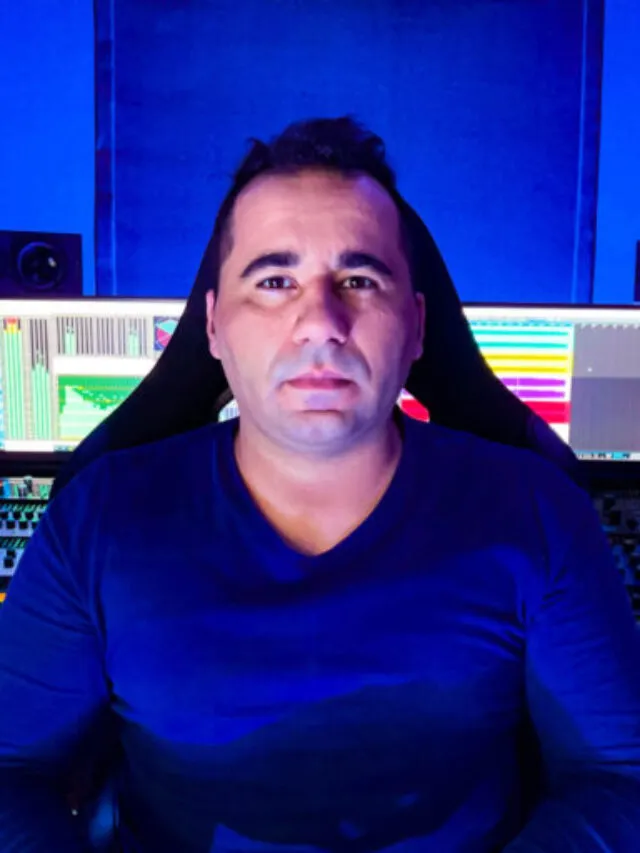
Written by SM Mastering
Official content on sound engineering, mixing, mastering, and advanced electronic production by SM Mastering.