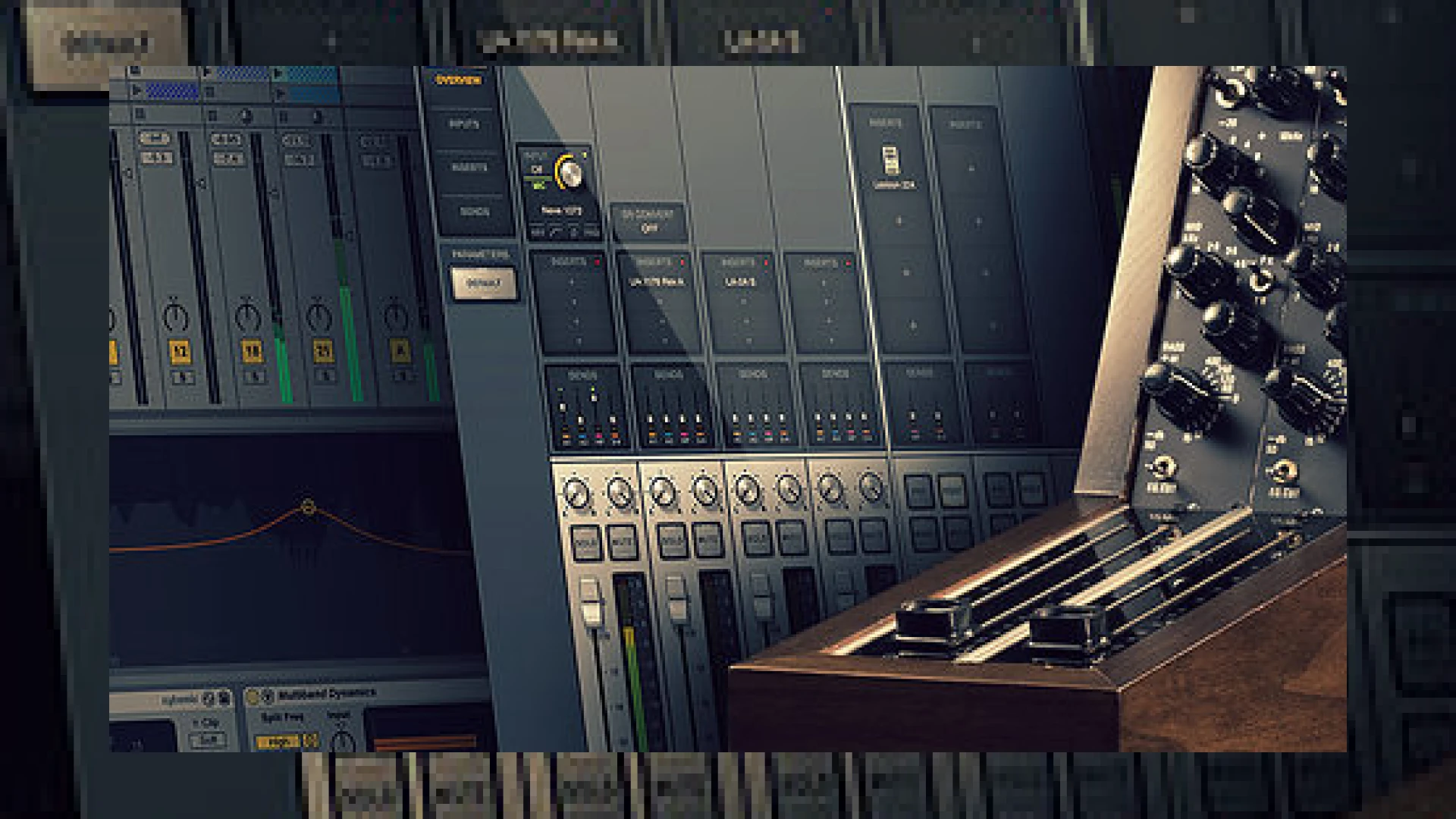
Visual context for Universal Audio introduce Helios Type 69 Preamp/EQ.
The modern digital studio environment is constantly seeking the analog warmth and harmonic richness that defined the golden age of recording. To bridge this gap, esteemed hardware and software developers like Universal Audio continually innovate to bring vintage circuits to life. When hardware emulations of this caliber hit the market, and brands like Universal Audio introduce Helios Type 69 Preamp/EQ options to their DSP ecosystem, the entire professional audio community stands up and takes note. This rebuilt emulation goes far beyond standard static digital EQ curves, delivering the authentic vintage grit and classic tone shaping that once powered legendary sessions at Olympic Studios.
Why Universal Audio Introduce Helios Type 69 Preamp/EQ in Modern Workflows
Understanding the hardware origins of this plugin is essential for mastering and mixing engineers alike. The legendary Helios consoles were the sonic backbone for masterpieces by Led Zeppelin, Jimi Hendrix, David Bowie, and Pink Floyd. Now, as Universal Audio introduce Helios Type 69 Preamp/EQ to their current UAD-2 and LUNA platforms, engineers get an incredibly faithful recreation of not just the classic passive three-band EQ, but also the feedback-style 70dB preamp and the coveted Lustraphone mic input transformer. The integration of Unison technology allows Apollo interfaces to match the physical impedance, gain-staging sweet spots, and circuit behaviors of the original console channel strip.
At SM Mastering, we believe that high-fidelity analog emulation is crucial for achieving professional depth. When Universal Audio introduce Helios Type 69 Preamp/EQ, they aren’t merely offering digital filter curves; they are modeling the complex nonlinear interactions of active circuit components. For those seeking to elevate their tracks with similar high-end processing tips, explore more deep-dive guides on analog emulation and mastering workflows at SM Mastering Audio Articles.
Technical Specifications and Overview
The updated emulation features key improvements over the legacy version, specifically in how the preamp stage reacts to transient heavy material and how the low-end inductor EQ behaves under heavy boost conditions. Below is a breakdown of the key specifications for this outstanding tool:
| Specification / Metric | Details & Compatibility |
|---|---|
| Product Name | Helios Type 69 Preamp & EQ Collection |
| Primary Use | Tracking, Mixing, and Harmonic Saturation |
| Supported Formats | UAD-2 (AAX, VST, AU), LUNA, Apollo Unison |
| Price | $299 ($199 Upgrade from Legacy version) |
| SM Mastering Rating | 4.8 / 5 Stars |
Practical Studio Workflow Tips
Using the Helios channel strip effectively requires a different mindset than working with clean digital parametric EQs. Here are three practical tips to implement this emulation in your daily studio sessions:
- Drive the Input for Natural Saturation: Instead of reaching for a separate distortion plugin, turn up the preamp gain on the Helios Type 69 to drive the virtual Lustraphone transformer. This adds a pleasing mid-range harmonic density that helps vocals and bass stand out in a dense mix.
- Use the “High-Pass Filter” and Low Boost Interaction: The low-frequency band has a unique interactive nature. Selecting a bass frequency boost while simultaneously using the low-cut filter can create a tight, punchy low-end curve similar to the classic Pultec trick.
- Embrace the 10 kHz Air Band: The fixed high-frequency shelf on the Helios is famous for adding analog “air” without introducing harshness. Use a gentle 2dB to 4dB boost on acoustic guitars, overheads, or master buses to add immediate expensive-sounding clarity.
The decision to have Universal Audio introduce Helios Type 69 Preamp/EQ with advanced Unison capabilities means tracking engineers can now commit to these legendary preamp behaviors on the way in. It completely changes how we interact with microphones, injecting real analog vibe before the signal even hits the digital audio workstation.
Conclusion
The Helios Type 69 remains one of the most distinctive sounding mixing desks in music history. By redesigning this software emulation from the ground up, Universal Audio have provided modern engineers with an unparalleled level of historical accuracy. Whether you want to add vintage warmth to individual tracks or glue your stereo bus together with classic British console character, this plugin is an indispensable addition to any hybrid mixing setup.
Frequently Asked Questions
What makes the Helios Type 69 EQ unique compared to other vintage EQs?
Unlike the smooth, clinical curves of modern digital EQs or the aggressive grab of SSL channel strips, the Helios Type 69 features unique passive inductor-based circuitry. This results in highly musical phase interactions and a distinctive mid-range bite that is incredibly flattering to electric guitars, drums, and analog synthesizers.
Can I use this plugin if I do not own Universal Audio Apollo hardware?
Yes. While owning an Apollo interface allows you to use Unison technology for matching input impedance during tracking, the plugin runs as standard UAD-2 native or DSP processing during the mixing and mastering stages on any compatible DAW platform.
How does the new version compare to the legacy UAD Helios plugin?
The updated version represents a complete, circuit-by-circuit redesign. It includes the entire preamp gain structure, the exact behavior of the Lustraphone input transformer, and full Unison integration, whereas the legacy version only modeled the passive EQ filter section.
🛒 Official Product Info & Where to Buy
Check full technical specs, pricing, and purchase options directly from the official manufacturer or authorized dealer for Universal Audio introduce Helios Type 69 Preamp/EQ.

Written by SM Mastering
Official content on sound engineering, mixing, mastering, and advanced electronic production by SM Mastering.