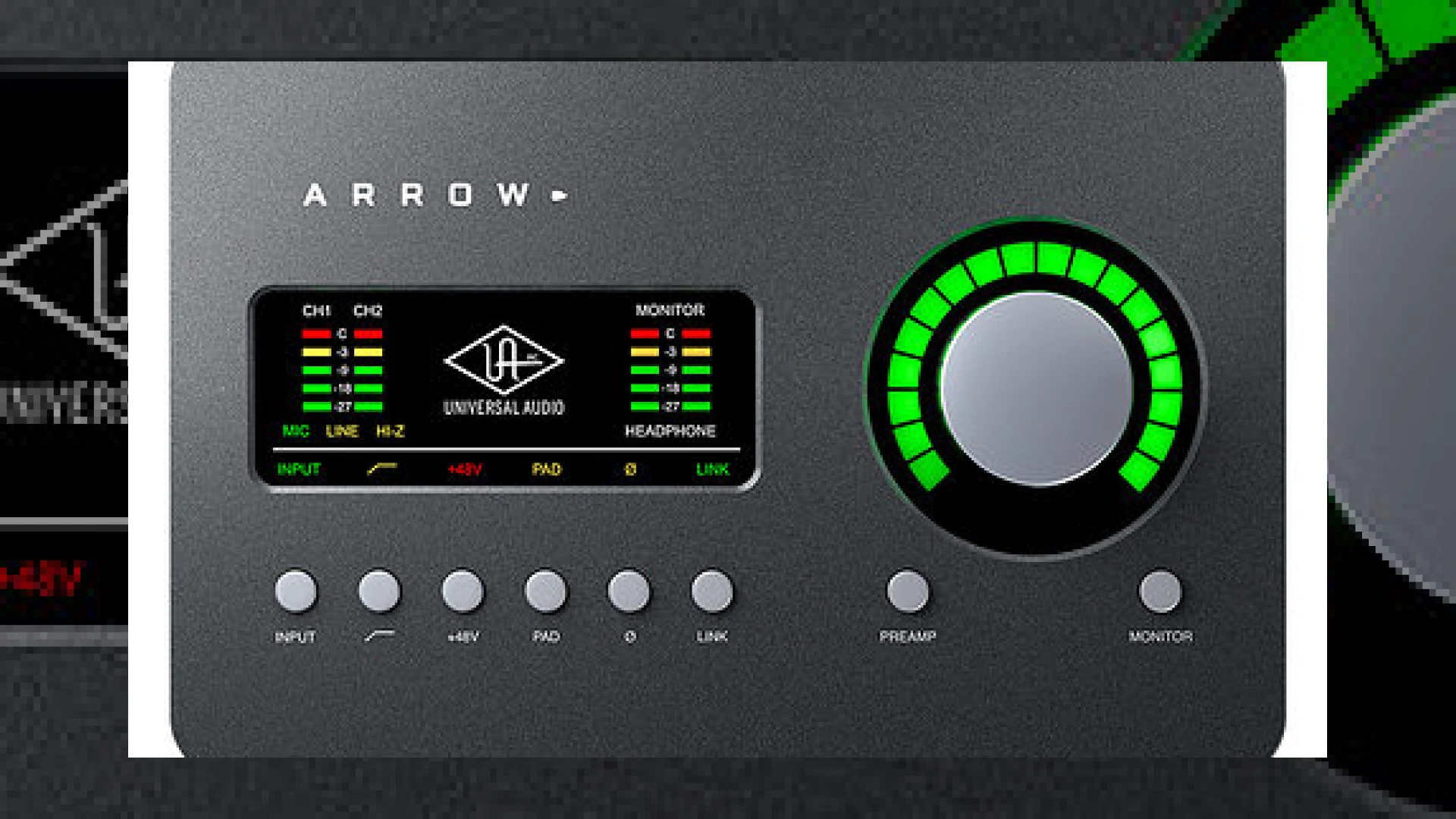
Visual context for Universal Audio release Arrow bus-powered interface.
The landscape of mobile recording has experienced a major shift now that we have seen the official universal audio release arrow bus-powered interface hit the market. As audio engineers and mastering professionals at SM Mastering Audio Articles, we constantly monitor hardware advancements that empower creators on the move. Historically, mobile producers had to compromise on digital-to-analog converter quality or bring bulky external power supplies into the field. Universal Audio has tackled this issue head-on by packing their industry-standard conversion and emulation technologies into a highly portable, bus-powered package.
When the universal audio release arrow bus-powered interface was first announced, many engineers wondered how it would compare to its older sibling, the Apollo Twin. The most significant differentiator is the power delivery system. While the Twin requires a dedicated external power supply, the Arrow runs entirely on Thunderbolt 3 bus power. This design decision makes it an ideal companion for laptop-based setups, allowing you to capture pristine vocals or instrument takes in hotel rooms, tour buses, or remote locations without hunting for an available wall outlet.
The Technical Power of the universal audio release arrow bus-powered interface
Despite its compact desktop footprint, this device does not compromise on the core proprietary technologies that made the Apollo series famous. It features elite 24-bit/192kHz A-D/D-A converters and operates with incredibly low latency. Crucially, it includes Unison preamp modeling technology, which allows tracking through meticulous physical-circuit emulations from legendary brands like Neve, API, and Manley. To optimize your recordings further, we recommend pairing these preamps with advanced spectral shaping tools from companies like iZotope during the post-production stage.
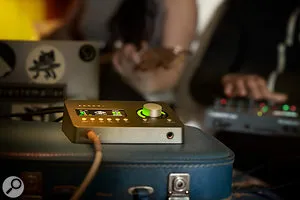
Additional product view and interface angle for Universal Audio release Arrow bus-powered interface.
For traveling producers, the universal audio release arrow bus-powered interface bridges the gap between high-end studio performance and nomadic workflow convenience. The physical layout is highly intuitive, featuring a sleek, wedge-shaped aluminum chassis. A large central level knob controls both preamp gain and monitor volume, flanked by clear LED metering and dedicated buttons for high-pass filtering, phantom power, pad, phase inversion, and input selection. It features a high-impedance (Hi-Z) instrument input on the front for easy guitar or bass tracking, alongside a dedicated headphone jack.
Hardware Specifications
To help you understand where this unit fits in your studio setup, here is a detailed breakdown of the specifications for the Arrow interface:
| Name | Use | Price | Rating |
|---|---|---|---|
| Universal Audio Arrow | Mobile Tracking, DSP Processing, & Mixing | $499 USD | 4.7 / 5.0 |
DSP Allocation and Processing Power
While the universal audio release arrow bus-powered interface limits users to a single UAD-2 Solo Core processor, this onboard DSP remains a substantial upgrade over native-only systems. The hardware takes the heavy lifting off your computer’s CPU, allowing you to run classic UAD compressors, EQs, and reverbs in real time (at near-zero latency) during tracking. Though a Solo Core chip won’t let you run dozens of DSP-heavy mastering chains simultaneously, it provides more than enough processing power to track a vocal with a preamp model, compressor, and EQ engaged.
Practical Studio Workflow Tips
- Commit on the Way In: Since the onboard Solo Core DSP has limited resources, print your Unison preamps and light compression during the tracking phase rather than running them non-destructively in your DAW. This saves DSP resources for the mixing stage.
- Manage Thunderbolt 3 Power: Ensure your laptop is plugged into its power source when tracking on location. While the interface is fully bus-powered, it draws significant current from your host machine.
- Utilize the Hi-Z Input: The front-panel DI input uses Unison technology. Use it to track electric guitars through vintage fender or Marshall amp emulations for highly realistic impedance matching and touch sensitivity.
Conclusion
To wrap up, the universal audio release arrow bus-powered interface represents an incredibly affordable entry point into the premium Universal Audio ecosystem. By combining class-leading conversion, Unison preamp emulation, and real-time UAD processing in a bus-powered chassis, UA has delivered an essential tool for modern, mobile audio creators.
Frequently Asked Questions
Does the Arrow require an external power adapter?
No. The interface is completely bus-powered via a Thunderbolt 3 connection, making it highly portable and perfect for field recording or mobile setups.
Can I use the Arrow with USB-C ports on older computers?
The Arrow requires a true Thunderbolt 3 port and cable to function. It will not work with standard USB-C ports that do not support the Thunderbolt protocol, even though the physical connectors look identical.
What plugins are included with this interface?
It comes bundled with the Realtime Analog Classics package, which includes legendary emulations such as the UA 610-B Tube Preamp, Teletronix LA-2A Legacy, UA 1176LN Legacy, and Marshall Plexi Classic.
🛒 Official Product Info & Where to Buy
Check full technical specs, pricing, and purchase options directly from the official manufacturer or authorized dealer for Universal Audio release Arrow bus-powered interface.

Written by SM Mastering
Official content on sound engineering, mixing, mastering, and advanced electronic production by SM Mastering.