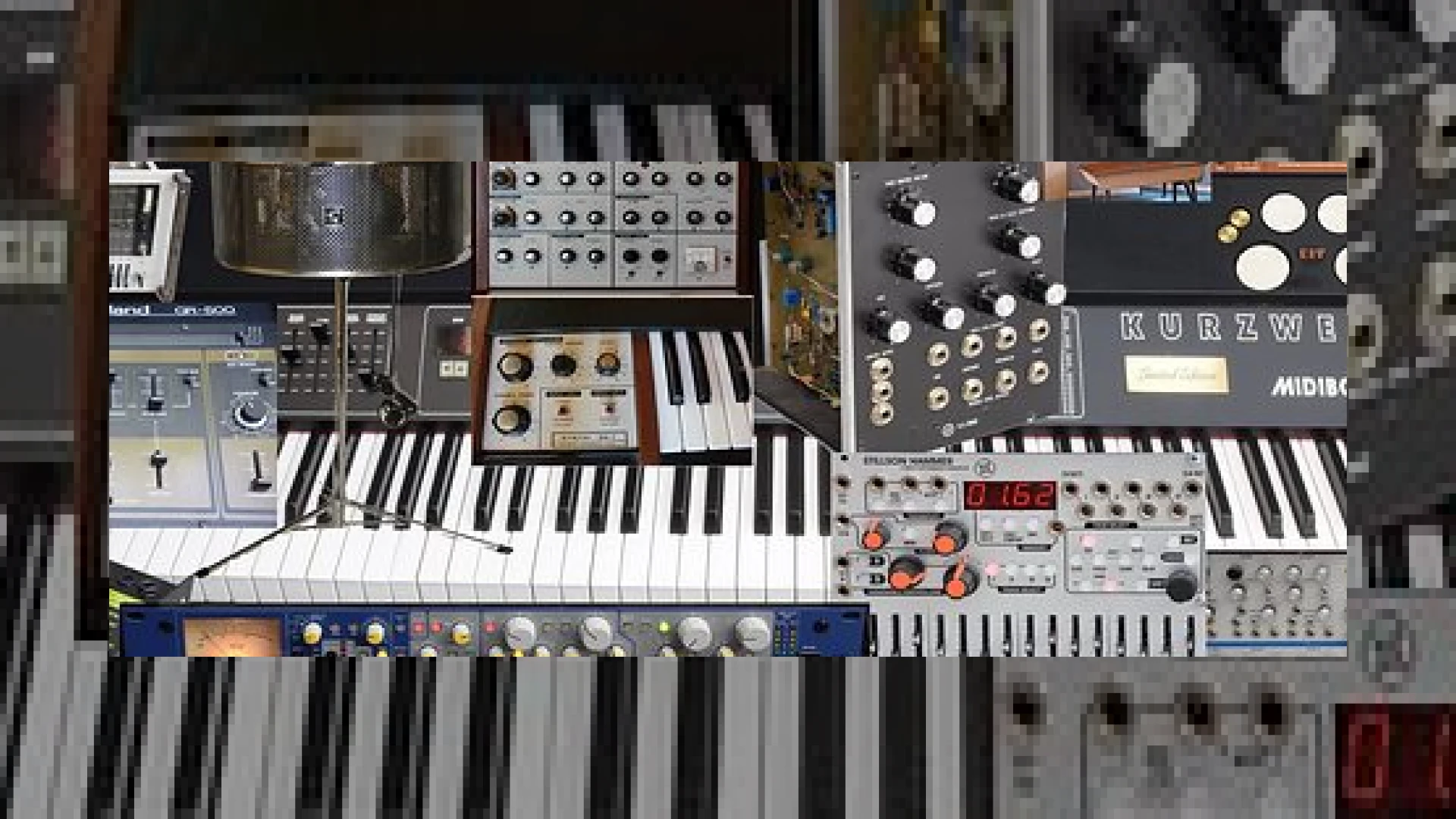
Visual context for VEMIA 4-11 April vintage instrument auction.
As electronic music production continues to evolve, the allure of classic hardware remains stronger than ever. For audio professionals, mastering engineers, and synthesizer enthusiasts, the upcoming vemia 4-11 april vintage instrument auction is shaping up to be one of the most exciting gear events of the year. VEMIA, the premier auction house specializing in rare electronic instruments, is celebrating its landmark 50th online auction. With starting bids on select gear beginning at an incredibly accessible £50 and no hidden reserves, this event offers a level playing field for both seasoned studio owners and emerging producers looking to inject genuine analog character into their productions.
What to Expect at the vemia 4-11 april vintage instrument auction
This milestone event features some of the most sought-after instruments in electronic music history. Among the crown jewels up for bid is the legendary 32-voice Waldorf Wave, an absolute powerhouse of wavetable synthesis. Additionally, bidders will find highly coveted systems like a Serge modular synthesizer, the expressive Sequential Circuits Prophet-T8, the mythical EMS VCS-3, and Yamaha’s physical-modeling pioneer, the VL-1. Because there are no hidden reserves, the highest bidder wins the item outright, making this an unprecedented opportunity to secure heirloom-grade studio equipment.
For collectors and producers preparing for the vemia 4-11 april vintage instrument auction, the sonic diversity on display is staggering. From the raw, unpredictable textures of the VCS-3 to the smooth, expressive physical-modeling capabilities of the Yamaha VL-1, these instruments provide a unique sonic imprint that digital emulations often struggle to replicate fully. While software companies like Universal Audio have made massive strides in replicating analog hardware behaviors, the tactile workflow and unpredictable electrical tolerances of original hardware remain unmatched in high-end music production.
Specifications of Featured Auction Items
Below is a breakdown of some of the key pieces of vintage gear available during the bidding week, highlighting their primary studio applications, estimated starting values, and overall desirability ratings.
| Name | Use | Starting Price | Rating (out of 5) |
|---|---|---|---|
| Waldorf Wave (32-Voice) | Advanced Wavetable Synthesis & Sound Design | £5,000+ (Est.) | 5.0 / 5.0 |
| EMS VCS-3 | Avant-Garde FX & Modular Synthesis | £4,000+ (Est.) | 4.9 / 5.0 |
| SCI Prophet-T8 | Polyphonic Analog Synthesis & Performance | £3,000+ (Est.) | 4.7 / 5.0 |
| Yamaha VL-1 | Acoustic Physical Modeling | £800+ (Est.) | 4.5 / 5.0 |
Practical Studio Workflow Tips for Vintage Gear
When integrating rare synthesizers from the vemia 4-11 april vintage instrument auction into a modern DAW system, maintaining signal integrity and hybrid flexibility is crucial. Here are several expert workflow tips to ensure your new hardware integrates seamlessly into your setup:
- Optimize Your Gain Staging: Vintage synths often output at consumer line levels (-10 dBV) or have noisy outputs. Use high-quality preamps or dedicated DI boxes to boost the signal to a healthy professional level (+4 dBu) before hitting your audio converters.
- Implement Hybrid Calibration: Keep your hardware synths in tune by allowing them to warm up for at least 20 to 30 minutes before tracking. This is particularly important for analog units like the Prophet-T8 and VCS-3.
- Utilize Modern Mastering Practices: Even the most beautiful vintage analog waveforms benefit from modern corrective processes. For deeper insights on how to balance analog warmth with modern digital precision, explore our resources over at SM Mastering Audio Articles.
Conclusion
Whether you secure a legendary synth at the vemia 4-11 april vintage instrument auction or prefer using modern digital hybrid systems, the pursuit of classic sonic character is a timeless journey. Mark your calendars for April 4th to 11th, and keep an eye on ‘Second Chance Sunday’ on April 12th for any leftover gems. This 50th VEMIA auction represents a rare, transparent gateway to some of the most inspiring music-making tools ever created.
Frequently Asked Questions
How do VEMIA auctions handle reserve prices?
Unlike many traditional auction houses, VEMIA operates with no hidden reserves. If you are the highest bidder when the bidding window closes, the item is officially yours, regardless of how low the final bid is relative to market value.
What happens if an item does not sell during the main auction?
If any vintage instruments remain unsold after the main bidding window closes on April 11th, they are moved to VEMIA’s ‘Second Chance Sunday’ on April 12th, offering buyers one final opportunity to acquire them.
How can I prepare my studio for integrating vintage analog gear?
Ensure you have robust, clean power solutions, reliable patch bays, high-quality analog-to-digital converters, and appropriate DI boxes to accommodate the varying impedance and output levels common in vintage electronic instruments.

Written by SM Mastering
Official content on sound engineering, mixing, mastering, and advanced electronic production by SM Mastering.