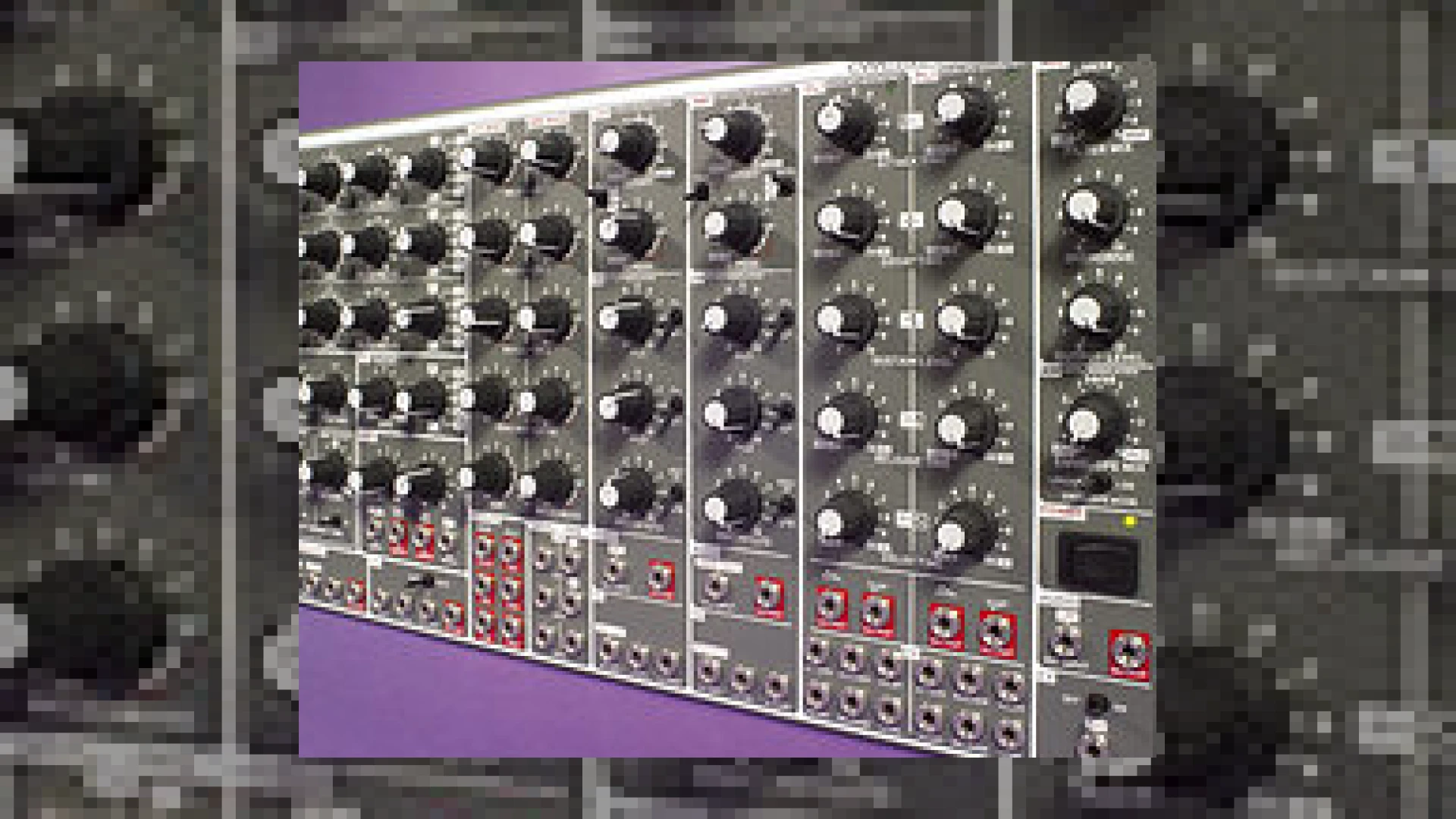
Visual context for Wowa Cwejman 1949-2021.
The world of electronic music and high-end analog synthesis lost one of its brightest stars with the passing of the legendary Swedish-Polish synthesizer designer. From our perspective at SM Mastering, we understand that mastering-grade audio begins at the source, and few sources compare to the precision of Cwejman designs. The passing of wowa cwejman 1949-2021 left a profound void in the synthesizer community, yet his meticulous approach to hardware engineering remains a benchmark for purity, calibration, and sonic excellence.
The Legacy of wowa cwejman 1949-2021 in Electronic Music
Born in Poland, he emigrated to Sweden at the age of twenty. His lifelong obsession with electronic sound began in 1971 while watching a television broadcast of Emerson Lake & Palmer, where the iconic sound of the Moog synthesizer captivated him. This pivotal moment led to the creation of his first synthesizer prototypes. When analyzing the evolution of high-end audio engineering, the journey of wowa cwejman 1949-2021 represents a masterclass in uncompromising standards. He famously scrapped his early commercial design, the Synthra, believing that the digital age had permanently overshadowed analog subtractive synthesis. Fortunately for the Eurorack world, he returned to instrument design in the late 1990s, introducing the revolutionary Analogue Workbench (S1) and establishing Cwejman as a legendary boutique manufacturer.
Unmatched Technical Standards of Cwejman Synthesizers
What separated Cwejman hardware from other modular formats was the sheer quality of the circuitry. While many manufacturers adopted loose tolerances to achieve a “vintage warmth,” the instruments engineered by wowa cwejman 1949-2021 prioritized absolute laboratory precision, unmatched tracking, and surgical control. From the legendary S1 MkII semi-modular synthesizer to Eurorack modules like the RES-4 and MMF-1, these units are highly coveted for their clean signal paths, fast envelopes, and low-noise floors. For sound designers who rely on high-fidelity tools from brands like Neumann to capture pure acoustic sources, integrating Cwejman modules offers an equivalent level of analog perfection.
Practical Studio Workflow Tips for Cwejman Hardware
Integrating these high-end analog modules into your production workflow requires a structured approach to gain staging and mastering. Here are several expert tips to maximize their utility:
- Calibrated Gain Staging: Cwejman modules output hot, studio-level signals. Ensure you attenuate the output properly before feeding your audio interface or mixing console to prevent digital clipping.
- Surgical Dynamic Control: Use fast envelope generators (like the CTG-VC) to shape transient-heavy sounds (kicks, percussion, or snappy basslines) without muddying up the low-mid frequencies.
- Mastering-Grade Processing: If you are looking to prepare your modular recordings for commercial release, processing your Cwejman stereo stems through professional mastering tools can elevate the depth and clarity. For detailed processing advice, explore our guides on the SM Mastering Audio Articles platform.
The hardware designed by wowa cwejman 1949-2021 demands clean amplification to truly shine, so avoid low-end preamps that introduce unwanted distortion or phase smearing.
Popular Cwejman Hardware Specifications
| Name | Use | Price (Approx. Market Value) | Rating |
|---|---|---|---|
| Cwejman S1 MKII | Semi-Modular Synthesizer | ~$3,500 (Used) | 5.0 / 5.0 |
| Cwejman RES-4 | Resonator / Bandpass Filter | ~$850 (Used) | 4.9 / 5.0 |
| Cwejman MMF-1S | Multi-Mode Filter | ~$700 (Used) | 4.8 / 5.0 |
| Cwejman VCO-6 | Voltage Controlled Oscillator | ~$650 (Used) | 4.7 / 5.0 |
Conclusion
In the history of electronic music gear, very few designers have managed to achieve the legendary cult status of Cwejman. The innovative concepts pioneered by wowa cwejman 1949-2021 continue to inspire contemporary modular manufacturers. His legacy lives on in every crystal-clear oscillator wave and surgically precise filter sweep that graces modern electronic productions worldwide.
Frequently Asked Questions
What makes Cwejman synthesizers so unique?
Unlike standard analog synthesizers that embrace imperfections, Cwejman instruments were built to laboratory-grade standards. They offer unmatched pitch tracking, extremely low noise floors, fast envelopes, and surgical precision that makes them ideal for both professional sound design and mastering applications.
Why are Cwejman modules so expensive on the used market?
Cwejman modules were built in highly limited quantities, hand-assembled with premium components, and calibrated individually. Following his passing, their rarity, combined with their unmatched technical performance, has turned them into highly prized collector’s items.
Where can I find further resources on mastering electronic music recorded with high-end analog synths?
For extensive tutorials and professional articles on getting the best out of your analog synth recordings during the mixdown and mastering stages, visit the SM Mastering Audio Articles resource page.

Written by SM Mastering
Official content on sound engineering, mixing, mastering, and advanced electronic production by SM Mastering.