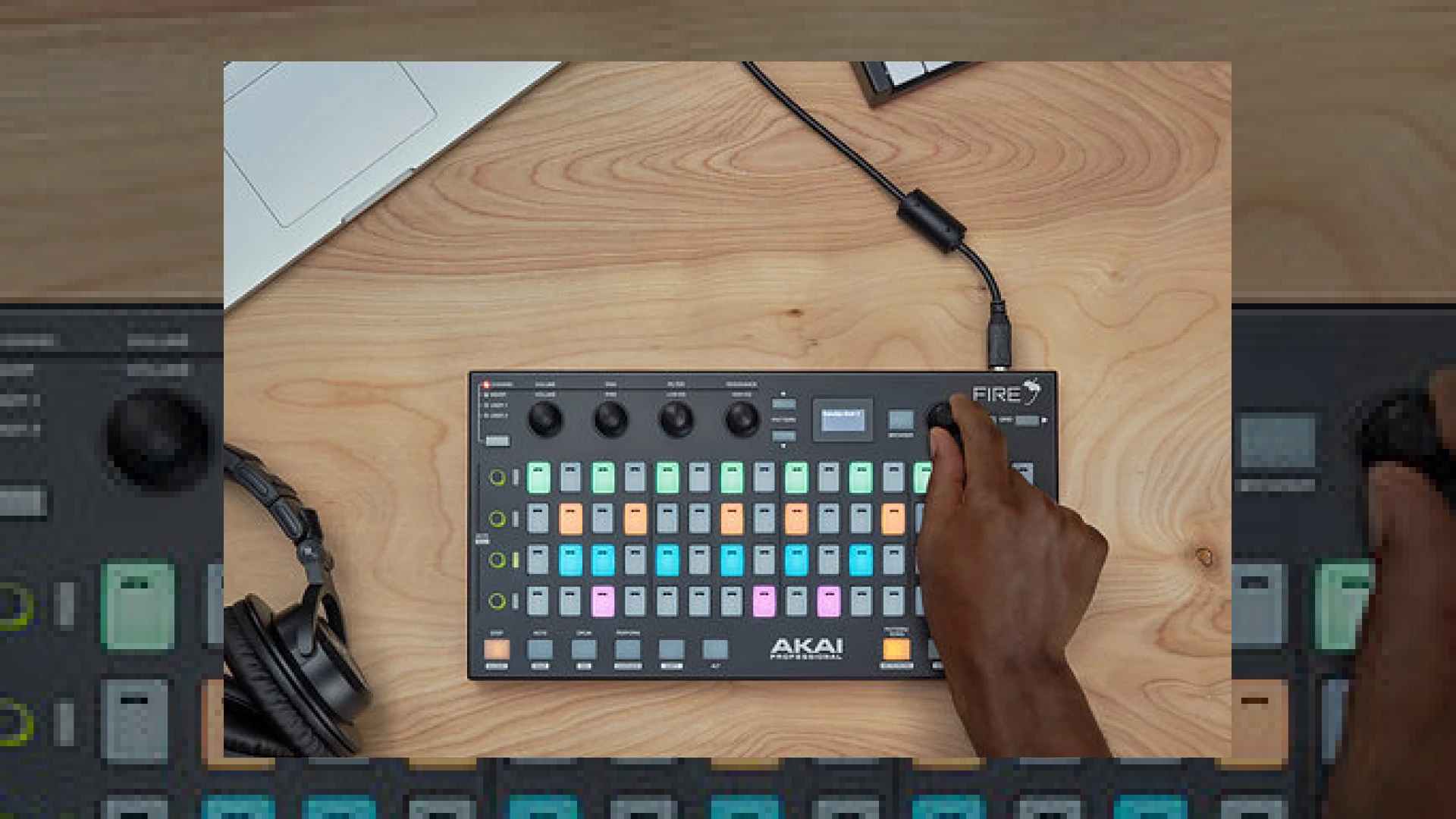
Visual context for Akai Fire branded world’s first controller for FL Studio.
The landscape of music production has historically been defined by tactile interaction, yet users of Image-Line’s flagship digital audio workstation (DAW) have long been limited to keyboard-and-mouse navigation. While competitors like Ableton enjoyed highly integrated grid controllers, FL Studio producers relied on generic MIDI mapping to get hands-on with their beats. The introduction of the akai fire branded world’s first controller for fl studio marks a monumental shift in this dynamic, bringing dedicated, high-performance physical hardware to the FL Studio ecosystem. Developed in close partnership with Image-Line, this custom-engineered hardware interface bridges the gap between software flexibility and tactile hardware expression.
Historically, Akai Professional has dominated the grid-controller market with their iconic APC and MPC series. By focusing their engineering expertise on FL Studio’s unique step-sequencing workflow, they created a layout that mirrors the channel rack seamlessly. The akai fire branded world’s first controller for fl studio was launched in tandem with the highly-anticipated FL Studio 20 release, which finally brought native macOS compatibility to the DAW. This synchronized release allowed both Mac and Windows producers to step away from their computer screens and interact with their arrangements in real time, streamlining the transition from raw sequencing to advanced mixing.
Deep Dive into the akai fire branded world’s first controller for fl studio
When integrating the akai fire branded world’s first controller for fl studio into your daily production environment, you immediately notice the build quality and responsiveness of its interface. The core of the unit is built around a velocity-sensitive 4×16 RGB pad matrix. These pads allow you to instantly input drum patterns, trigger melodic sequences, or switch directly over to Performance Mode to launch audio and MIDI clips during a live set. The multi-color visual feedback corresponds perfectly to the channel colors within your digital audio workstation, minimizing the need to constantly look back at your monitor.
In addition to the extensive pad matrix, the touch-capacitive knobs on the akai fire branded world’s first controller for fl studio provide instantaneous visual feedback. These endless encoders feature four distinct banks, allowing you to control volume, pan, filter cutoffs, and custom user-mapped parameters without reaching for a mouse. A high-contrast graphical OLED display sits at the top of the unit, displaying active parameters, track names, and menu items clearly, even in dark studio environments.
Advanced Hardware Architecture & Scalability
One of the most impressive design choices Akai implemented is the hardware’s plug-and-play scalability. Producers are not limited to a single unit; the ecosystem supports the physical and digital linking of up to four controllers simultaneously. By configuring a multi-device setup, you can expand your workspace to a massive 8×32 pad matrix. This enables total control over massive arrangements, permitting live jam sessions that mimic analog hardware workflows while retaining the infinite editing power of a modern DAW.
Powering the device requires nothing more than a standard USB connection, making it highly portable for touring acts and mobile bedroom producers alike. Furthermore, the controller ships with the FL Studio Fruity Fire Edition software. This specialized edition supports up to 500 tracks, VST/DXi instrument hosting, deep automation routing, and includes over 18 virtual instruments paired with a powerful suite of native effects processors designed to get your mixes sounding polished before the final mastering stage.
Technical Specifications
| Name | Use | Price | Rating |
|---|---|---|---|
| Akai Professional Fire | Dedicated Step Sequencing, Performance & Mixing Controller | $199.00 USD | 4.7 / 5.0 |
Practical Studio Workflow Tips
To maximize your efficiency when using this dedicated interface, we recommend implementing the following workflow adjustments in your studio:
- Master the Mode Switching: Keep one hand on the Alt/Shift modifier keys to quickly toggle between Note Mode, Drum Mode, and Performance Mode. This eliminates menu diving and keeps your creative momentum flowing.
- Utilize Touch-Capacitive Previews: Gently touch any of the four parameter knobs to view their current values on the OLED screen before making changes. This prevents sudden volume jumps or filter sweeps during critical mixing phases.
- Keep Master Headroom Clean: When sequencing drums directly through the pads, ensure your channel rack levels are gain-staged correctly. Having a clean mix with plenty of headroom makes subsequent processes like dynamic control and mastering far more effective. For professional mastering insights and deep-dive technical articles, explore our extensive library over at SM Mastering Audio Articles.
Conclusion
Ultimately, utilizing the akai fire branded world’s first controller for fl studio helps streamline the initial creative steps of beatmaking, arrangement, and rough mixing. By removing the barrier of the computer mouse, producers can tap into a more intuitive, organic rhythm. While standard tools like those from iZotope are essential for clinical, post-production audio repair, having a dedicated physical interface like the Akai Fire ensures that the emotional, expressive performance of your production remains intact from the very first step of the sequencing process.
Frequently Asked Questions (FAQ)
Can I use the Akai Fire with other DAWs besides FL Studio?
While the controller is specifically designed and deeply integrated with FL Studio’s native architecture, it can function as a standard MIDI controller with other DAWs. However, features like the step-sequencer matrix visual feedback and the touch-capacitive parameter tracking are optimized exclusively for Image-Line’s platform.
Is the Akai Fire compatible with both Windows and macOS?
Yes, the controller offers native plug-and-play compatibility on both Windows and macOS systems. It was launched alongside FL Studio 20, which introduced full, native Mac support, ensuring cross-platform stability without the need for complex driver installations.
How does the multi-device daisy-chaining work?
You can connect up to four Akai Fire units to your computer via USB. Within FL Studio’s MIDI settings, you can link these units to act as a single, expanded controller surface. This expands your matrix up to an 8×32 grid, allowing you to sequence longer patterns or control more mixer tracks simultaneously.
🛒 Official Product Info & Where to Buy
Check full technical specs, pricing, and purchase options directly from the official manufacturer or authorized dealer for Akai Fire branded world’s first controller for FL Studio.
Written by SM Mastering
Official content on sound engineering, mixing, mastering, and advanced electronic production by SM Mastering.