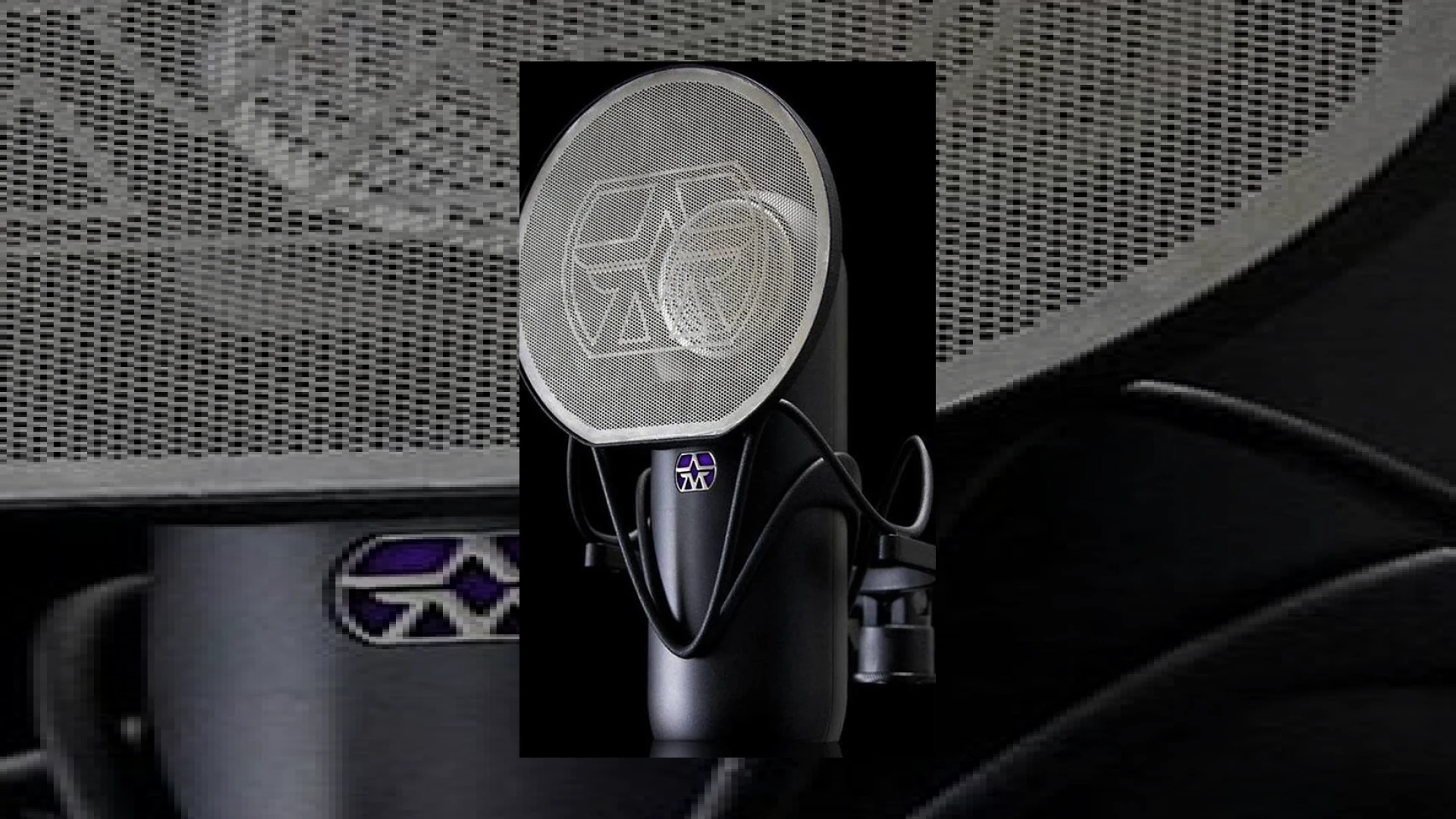
Visual context for Aston Element design enters final phase.
The landscape of studio microphone manufacturing is undergoing a democratic revolution. We are thrilled to report that the aston element design enters final phase, marking a monumental shift in how modern studio microphones are developed. By involving thousands of audio engineers, musicians, and bedroom producers in blind listening tests, Aston Microphones has bypassed traditional closed-door R&D. Here at SM Mastering Audio Articles, we closely monitor these technological shifts to understand how new transducer designs will impact the mastering chain, transient preservation, and overall mix clarity.
Why the Aston Element Design Enters Final Phase with Public Voting
Traditional microphone design typically relies on the subjective ears of a select few internal designers or a small panel of chosen artists. This is precisely why the aston element design enters final phase with a massive competitive edge. By conducting three rigorous rounds of blind listening tests against industry giants like Neumann and AKG, Aston has collected objective data from thousands of listeners.
Eligible participants—specifically those who own a reliable Digital Audio Workstation (DAW) and professional-grade studio monitors or high-impedance headphones—have been voting on various prototypes. This democratic process ensures that the final voicing of the microphone is optimized for modern project studios and professional hybrid environments alike.
The Technical Edge of the Aston Element
As the aston element design enters final phase, engineers are paying close attention to how its unique active moving-coil technology holds up under clinical studio conditions. Unlike standard dynamic or condenser designs, the Element utilizes a custom-voiced capsule that combines the fast transient response of a condenser with the robust SPL handling of a high-end dynamic microphone.
| Name | Primary Use | Price (Developer Edition) | Rating (Community Based) |
|---|---|---|---|
| Aston Element | Vocals, Acoustic Guitars, Voiceover | Special Reduced Pricing | 4.8 / 5.0 |
Practical Studio Workflow Tips with the Aston Element
- Optimize Your Preamp Gain: Because the Element features an active moving-coil design, it requires phantom power (+48V) but delivers a significantly higher output level than a passive dynamic microphone. Keep your preamp gain moderate to preserve headroom.
- Vocal Positioning: Use the proprietary magnetic pop filter included in the bundle. Position the vocalist 4 to 6 inches away from the capsule to utilize the proximity effect without muddying the low-mid frequencies.
- Mastering Preparation: Tracks recorded with the Element exhibit a highly natural high-frequency roll-off. This makes mastering significantly easier, as you won’t have to battle harsh, sibilant frequencies using dynamic EQs or de-essers later in the chain.
Conclusion
Now that the aston element design enters final phase, pre-orders for the exclusive Developer’s Edition are generating massive buzz across the global audio community. This release proves that community-driven R&D can yield high-end boutique performance at an accessible price point. For engineers looking to diversify their microphone locker with a truly unique transducer, keeping an eye on this final development stage is highly recommended.
Frequently Asked Questions
What is the Aston Element microphone?
The Aston Element is a unique, active moving-coil studio microphone designed through public blind listening tests. It combines the warm characteristics of a dynamic microphone with the detail and high-frequency sensitivity of a traditional condenser.
How does the blind listening test work?
Aston provided audio files of various anonymous prototypes alongside competing industry-standard microphones. Participants listened to these raw sources in their own studios and voted on their preferred sound profile, shaping the final frequency response of the mic.
Is the Aston Element suitable for mastering preparation?
Yes. Because of its balanced transient response and natural vocal presence, tracks tracked with the Aston Element require less corrective equalization, leaving more headroom and dynamic range for the mastering engineer to polish.

Additional product view and interface angle for Aston Element design enters final phase.
🛒 Official Product Info & Where to Buy
Check full technical specs, pricing, and purchase options directly from the official manufacturer or authorized dealer for Aston Element design enters final phase.

Written by SM Mastering
Official content on sound engineering, mixing, mastering, and advanced electronic production by SM Mastering.