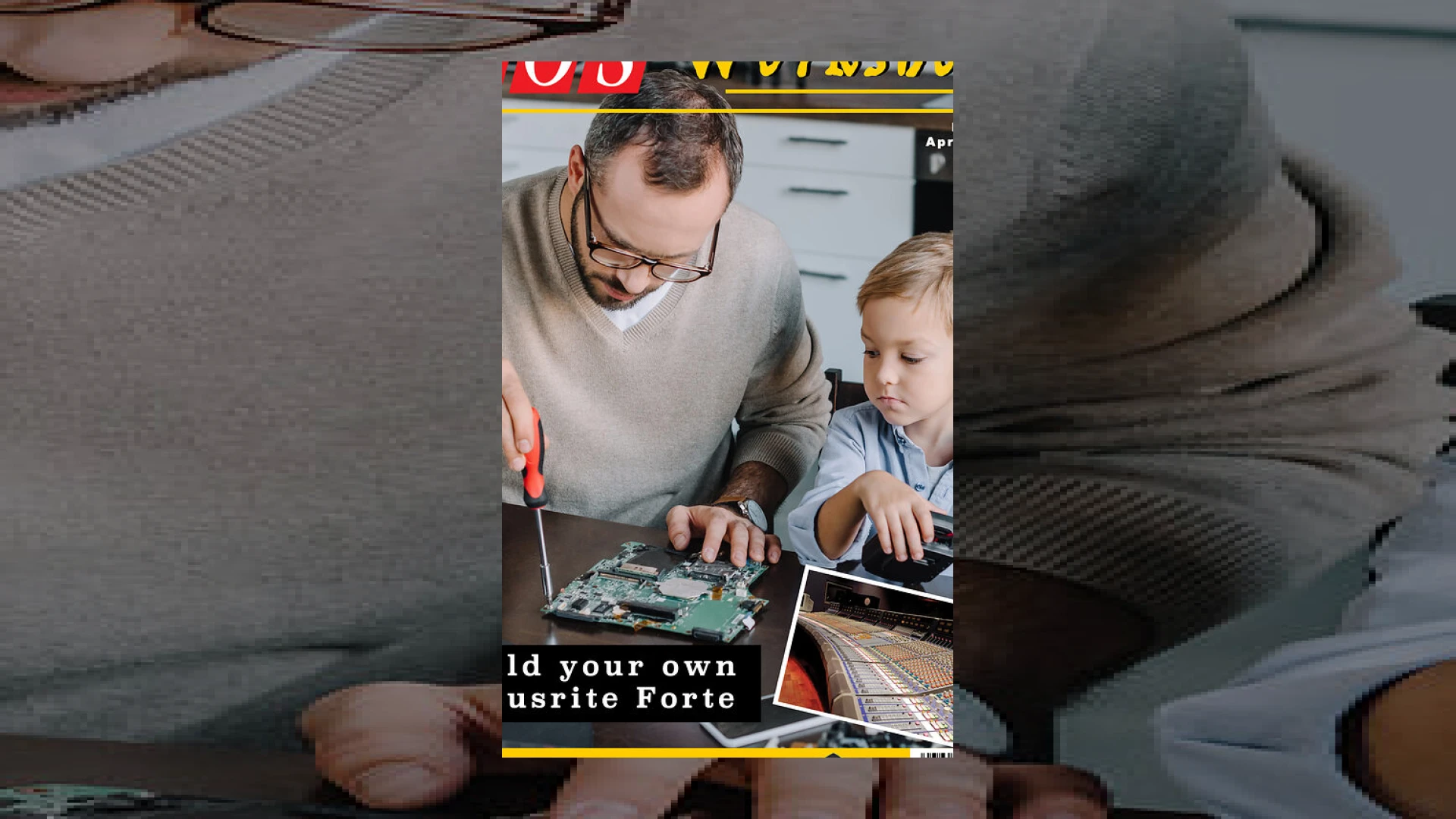
Visual context for Build your own Focusrite Forte!.
At SM Mastering, we constantly analyze the boundaries between classic analog warmth and modern digital precision. For decades, the legendary Rupert Neve-designed Focusrite Forte console has been heralded as the absolute pinnacle of analog mixing desk design. With only a handful of original consoles ever built, owning one has been an impossible dream for most studios. However, with the launch of the SOS Workshop series, DIY enthusiasts now have an extraordinary opportunity: you can actually build your own focusrite forte! from the comfort of your own home workshop. This ambitious project breaks down one of the most complex audio consoles in history into manageable, monthly component kits and schematics.
The Technical Roadmap to build your own focusrite forte!
Recreating a masterpiece requires meticulous planning. When you set out to build your own focusrite forte!, you are not merely assembling electronic components; you are recreating a complex electrical ecosystem. The project starts with the foundation of any high-end console: the power supply unit (PSU). The initial schematics focus on the critical rackmount PSU buckets. Each 8-channel module bucket requires its own dedicated power supply, utilizing the high-precision Texas Instruments LM723 regulator IC to ensure clean, low-noise voltage delivery to the audio path.
While SOS Workshop provides the essential schematics and rare integrated circuits, builders will need to source their own custom metalwork, PCBs, and complex wiring looms. This hands-on approach allows you to understand the exact signal flow and design choices that made the original console a favorite among world-class engineers.
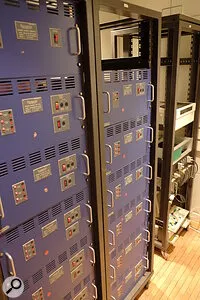
Additional product view and interface angle for Build your own Focusrite Forte!.
Focusrite Forte DIY Project Specifications
To help you estimate the scope of this massive undertaking, we have compiled a quick overview of the essential building blocks for this project:
| Name | Use | Price | Rating |
|---|---|---|---|
| SOS Workshop Subscription | Monthly plans, schematics, and select IC components | £8.99 / month | 4.9 / 5.0 |
| Texas Instruments LM723 | Precision voltage regulation for console PSU buckets | Included in Issue 1 | 4.7 / 5.0 |
| Custom Metalwork & Chassis | Structural housing for the console buckets and master section | Sourced Separately (Variable) | 4.3 / 5.0 |
| PCBs & Wiring Looms | Signal routing, channel strips, and bus connections | Sourced Separately (Variable) | 4.5 / 5.0 |
Practical Studio Workflow and Infrastructure Preparation
To successfully build your own focusrite forte!, you must also prepare your room’s physical infrastructure. A console of this caliber draws substantial power and requires a flawless grounding scheme to prevent ground loops and hums. SOS Workshop recommends installing a balanced mains power system in your home studio. This ensures that the delicate preamps and EQs operate with the lowest possible noise floor.
Additional product view and interface angle for Build your own Focusrite Forte!.
Furthermore, physical construction cannot be overlooked. The weight of a fully assembled multi-bucket console is immense. Builders must reinforce their studio flooring before final installation. For more technical guides on optimizing your studio space for high-end gear, check out our comprehensive SM Mastering Audio Articles.
Integrating Vintage Analog with Modern DAW Workflows
While modern emulations from brands like Universal Audio offer fantastic digital alternatives, choosing to build your own focusrite forte! provides a tactile, analog summing experience that digital systems struggle to fully replicate. Once completed, the console can be integrated into your modern DAW system using high-quality AD/DA converters, giving you the ultimate hybrid setup: the speed of digital editing combined with the legendary headroom and warmth of Rupert Neve’s finest analog circuitry.
Conclusion
Building a custom mixing console is a monumental task, but the rewards are unparalleled. By taking the DIY route, you gain deep technical knowledge of your gear’s internal architecture while constructing a functional piece of recording history. The journey requires patience, precise soldering, and careful planning, but the sonic results will elevate your productions to a legendary status.
Frequently Asked Questions (FAQ)
Is it safe to build your own focusrite forte! without prior electronics experience?
Due to the high voltages present in the power supply units and the incredible complexity of the console’s routing, this project is recommended for intermediate to advanced DIYers. Beginners should start with smaller pedal or preamp kits before attempting this build.
What additional tools will I need for this build?
You will need a temperature-controlled soldering station, a digital multimeter, an oscilloscope (for troubleshooting audio paths), wire strippers, and standard metalworking tools for the chassis assembly.
How long does it take to complete the entire console?
Because the schematics and components are released on a monthly basis via the subscription, this project is designed to keep you engaged over several months to a year, depending on how many channel buckets you choose to build.
Written by SM Mastering
Official content on sound engineering, mixing, mastering, and advanced electronic production by SM Mastering.