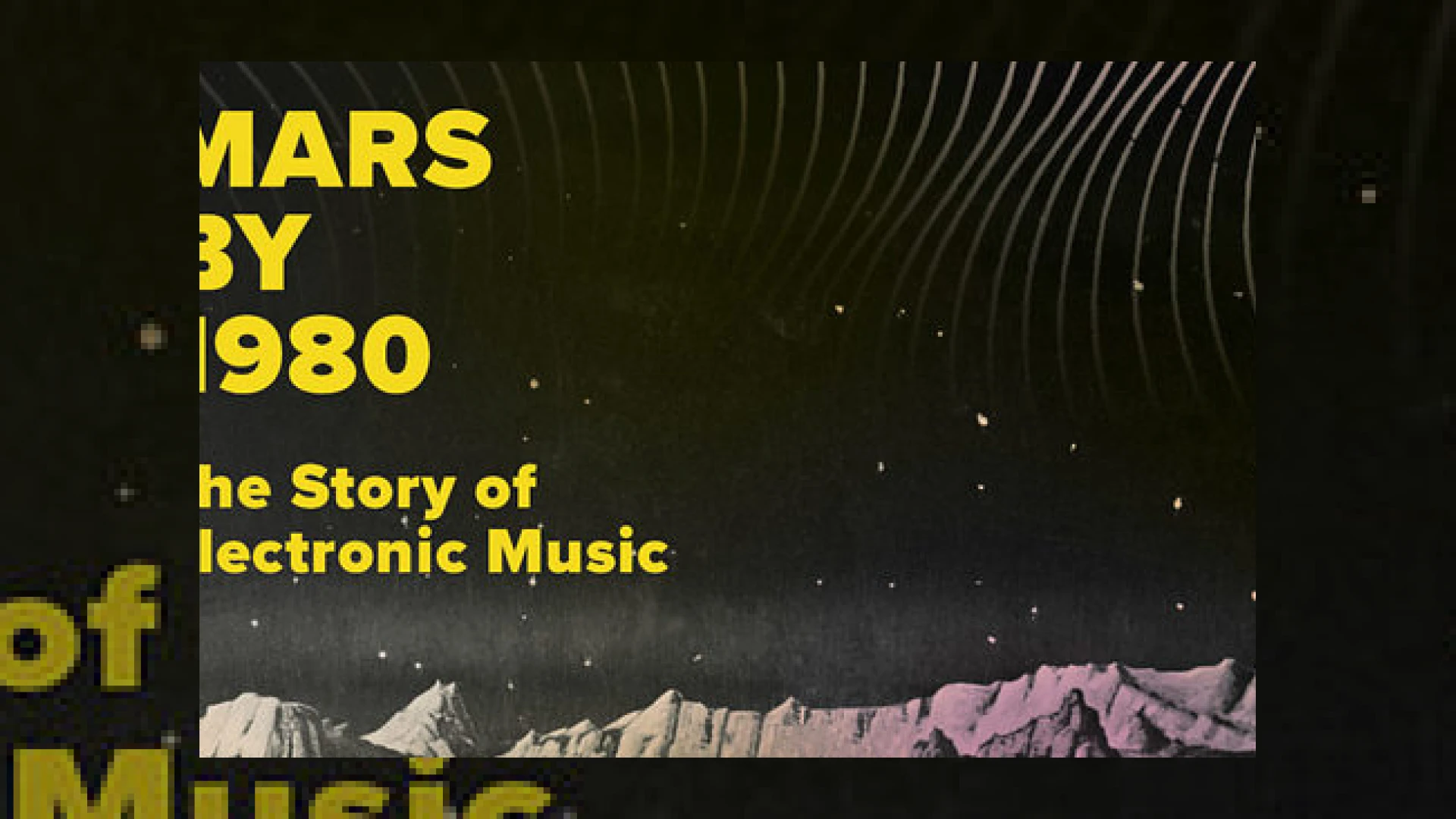
Visual context for Mars By 1980 book to chart evolution of electronic music.
As mastering engineers at SM Mastering, we constantly look back at the historical milestones that shaped today’s sonic landscapes. The announcement of the upcoming mars by 1980 book to chart evolution of electronic music by acclaimed music journalist David Stubbs has generated massive excitement in our studio. Stubbs, widely respected for his previous work Future Days: Krautrock and the Building of Modern Germany, takes readers on a deep-dive journey into the rebellious origins, technical struggles, and eventual global dominance of electronic synthesizers. For modern producers and mastering engineers looking to refine their signature sound, understanding this rich sonic lineage is just as important as mastering the latest digital audio workstation tools.
The Impact of the mars by 1980 book to chart evolution of electronic music on Modern Producers
Published by Faber Social, this comprehensive literary work maps out how a disparate group of avant-garde classical composers, academic experimenters, and synthesizer mavericks overcame malfunctioning machines, thermal instability, and public skepticism. When reading the mars by 1980 book to chart evolution of electronic music, one gains a profound appreciation for the sheer physical and mental effort required to generate electronic music before the advent of modern computers. From the early tape-manipulation techniques of the mid-20th century to the iconic pop hooks of Depeche Mode and the Pet Shop Boys, electronic music has always been about pushing technical boundaries to their absolute limits.
To truly understand how we transitioned from unstable analog oscillators to the high-precision DSP plugins of today—such as those created by industry leaders like Ableton—producers need a firm historical grounding. The mars by 1980 book to chart evolution of electronic music bridges the gap between classic krautrock experimentation and the modern underground aesthetics championed by contemporary visionaries like Holly Herndon. It highlights how technical limitations, “sonic mayhem,” and luddite resistance actually fueled creative breakthroughs that modern, hyper-optimized digital workflows sometimes discourage.
If you want to apply these historical production concepts and classic analog warmth to your modern stereo master files, explore our deep-dive technical guides at SM Mastering Audio Articles.
Book Specifications & Overview
Below is an overview of this essential reading material for electronic musicians, studio owners, and music historians alike:
| Name | Use | Price | Rating |
|---|---|---|---|
| Mars By 1980: The Story of Electronic Music (David Stubbs) | Historical Guide, Studio Inspiration, Reference Book | £12.99 / $18.00 (Approx) | 5 / 5 Stars |
Practical Studio Workflow Tips Inspired by Electronic Music History
Reading about early synthesizer pioneers can directly inspire your modern hybrid mixing and mastering workflows. Here are three practical ways to bring the spirit of early electronic innovation into your current DAW environment:
- Embrace Organic Instability: Early analog synths suffered from pitch drift due to heat. You can emulate this in your modern master by using subtle, slow LFOs on your fine-tuning parameters, or utilizing tape saturation emulations with custom “wow and flutter” settings to inject organic movement.
- Impose Creative Limitations: Early electronic artists were limited by track counts and physical patch cables. Try limiting your next production to just 8 tracks of audio. This forces you to make definitive arrangement decisions and focus heavily on sound design rather than layering endless tracks.
- Incorporate Found Sounds & Musique Concrète: Before oscillators were accessible, artists manipulated magnetic tape loops of environmental sounds. Record everyday noises on your phone, run them through modern pitch-shifting algorithms, and use them as rhythmic beds or ambient textures under your digital synthesizers.
Conclusion
Ultimately, the mars by 1980 book to chart evolution of electronic music is more than just a historical archive; it is a source of creative liberation for modern music producers and audio engineers alike. By understanding where our digital tools originated and appreciating the struggles of the mavericks who came before us, we can break free from generic presets and inject genuine, historic grit into our modern masters.
Frequently Asked Questions
When is the book released and who is the publisher?
The book, written by David Stubbs, goes on sale August 2nd and is published by Faber Social. It chronicles the transition of electronic music from the academic avant-garde to mainstream pop.
Which key artists are covered in this electronic music history book?
The narrative spans a wide array of musical pioneers, including early avant-classical composers, the soul and funk of Stevie Wonder, the disco-era sequences of Giorgio Moroder, classic eighties synth-pop icons like Depeche Mode, Laurie Anderson, and modern underground electronic innovators such as Holly Herndon.
How does reading about electronic music history help with modern audio mastering?
Understanding the history of electronic music allows mastering engineers to identify the analog characteristics, harmonic distortions, and dynamic behaviors that defined classic eras. This knowledge helps us apply the correct saturation, EQ curves, and compression style to preserve vintage authenticity in a modern digital master.

Written by SM Mastering
Official content on sound engineering, mixing, mastering, and advanced electronic production by SM Mastering.