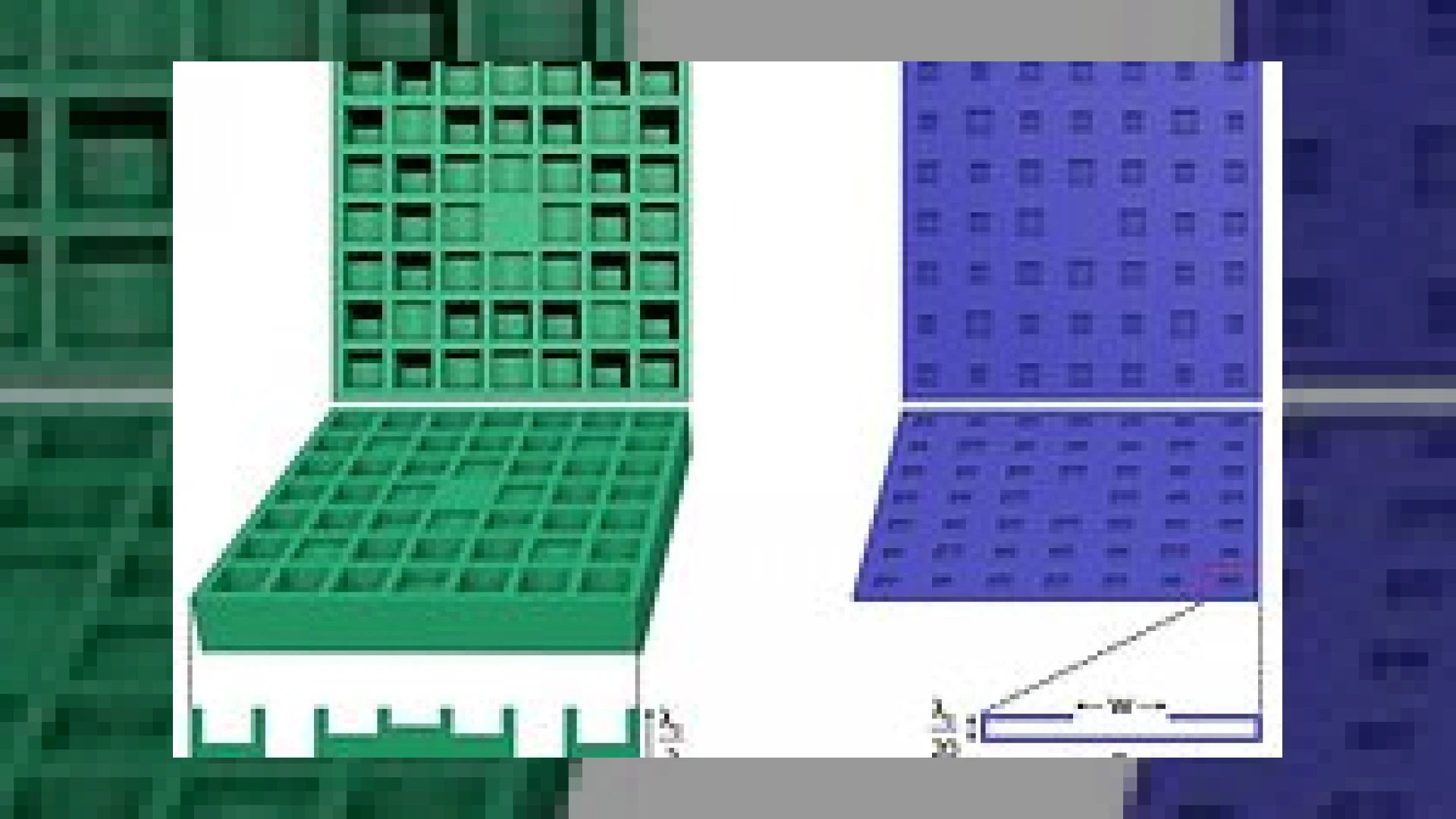
Visual context for Researchers invent ultra-thin acoustic diffuser.
Acoustic treatment has long been the primary challenge for engineers designing small-scale project studios and high-end mastering rooms alike. Traditional Schroeder diffusers require immense physical depth to scatter low frequencies effectively, which often eats up valuable space in critical listening environments. However, the paradigm of acoustic design is shifting rapidly. Recently, exciting news emerged that researchers invent ultra-thin acoustic diffuser panels that perform brilliantly at a fraction of the traditional physical footprint. For engineers seeking the ultimate monitoring environment—as often discussed in our detailed SM Mastering Audio Articles—this breakthrough from Nanjing University could completely redefine room acoustics for professional mastering and mixing suites.
The Science Behind: Researchers Invent Ultra-Thin Acoustic Diffuser
To understand why researchers invent ultra-thin acoustic diffuser designs, we must look at the physical limitations of standard Schroeder diffusers. Standard diffusers rely on a series of wells of varying depths to shift the phase of reflecting sound waves, scattering them across a space. For these traditional designs to work, the depth of the wells must equal roughly half of the wavelength of the lowest frequency they aim to diffuse. This physical law makes low-frequency Schroeder diffusers incredibly bulky and impractical for smaller rooms.
By utilizing subwavelength resonant cavities, when researchers invent ultra-thin acoustic diffuser systems, they effectively bypass the need for physical depth. Instead of using wells of varying depths, the new design utilizes identical shallow chambers fronted by apertures of varying sizes. This system of square cavities with different neck widths requires a thickness of just 5 percent of the targeted sound’s wavelength to remain highly effective.
Comparing Traditional and Ultra-Thin Diffusion
The implications of this technology are massive for studio designers. Below is a comparison demonstrating how this new experimental paradigm compares to traditional methods:
| Name / Technology | Primary Use | Relative Thickness | Expert Rating |
|---|---|---|---|
| Traditional Schroeder Diffuser | Mid-to-high frequency sound scattering | ~50% of target wavelength | 4.0 / 5.0 |
| Nanjing University Ultra-Thin Diffuser (Prototype) | Broadband & low-frequency diffusion | ~5% of target wavelength | 4.9 / 5.0 (Concept) |
Practical Studio Workflow Tips for Acoustic Diffusion
While we wait for these ultra-thin panels to make their way into mass production, mastering engineers must still manage acoustic anomalies using current technology. When optimizing your room for high-end reproduction alongside premium monitors like those from Neumann, keep these workflow tips in mind:
- Prioritize Early Reflection Zones: Use absorption at your primary reflection points (sides and ceiling) to ensure sharp transient response and clear stereo imaging.
- Deploy Diffusion on the Rear Wall: Placing diffusers on the back wall helps disperse energy without deadening the room completely, which creates a more natural, larger-sounding soundstage.
- Keep Low Frequencies in Check: Because traditional low-frequency diffusion is so bulky, rely on thick, high-density porous absorbers or active bass traps in corner zones until commercial ultra-thin diffusers become widely available.
As researchers invent ultra-thin acoustic diffuser layouts, the future of home studio mastering becomes much more viable. We can expect to see highly efficient, 3D-printed acoustic panels that can be easily mounted on standard drywall without sacrificing precious room space or aesthetic design.
Conclusion
Ultimately, the fact that researchers invent ultra-thin acoustic diffuser prototypes proves that structural acoustics is entering a new era of innovation. By replacing deep, heavy wooden grids with sleek, engineered apertures, Nanjing University researchers have paved the way for more affordable, compact, and highly effective acoustic treatment. For mastering engineers and audiophiles, this translates directly to better translation of low frequencies and more precise decision-making during the final stages of audio production.
Frequently Asked Questions
What is the difference between a Schroeder diffuser and the new ultra-thin design?
A standard Schroeder diffuser uses a series of open wells with different depths to scatter sound waves based on phase shifts. The new ultra-thin design uses identical shallow cavities with different aperture (neck) widths, achieving the same diffusion performance while being 10 times thinner.
How thin is the new acoustic diffuser prototype?
The prototype requires a thickness of only 5% of the target sound’s wavelength. In contrast, traditional designs require a depth of about 50% of the target wavelength, making the new design highly space-efficient.
When will this ultra-thin technology be commercially available?
Currently, the technology is in its research and testing phase using 3D-printed prototypes. However, because the design is highly scalable and mathematically modeled, commercial production for home studios, concert halls, and industrial applications is expected in the near future.

Written by SM Mastering
Official content on sound engineering, mixing, mastering, and advanced electronic production by SM Mastering.