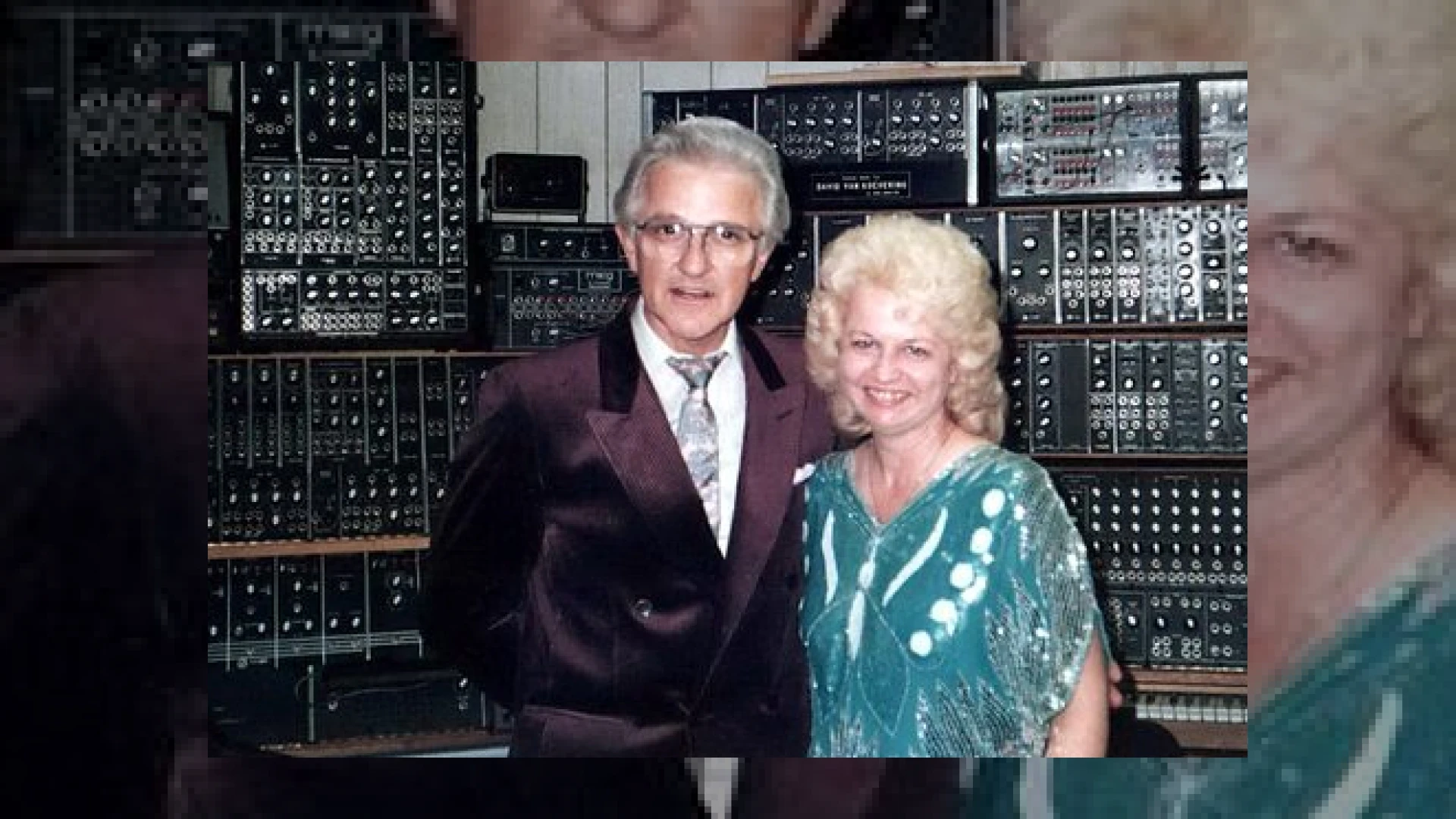
Visual context for RIP David Van Koevering.
The electronic music and pro audio communities are mourning a monumental loss; as we reflect on his incredible journey and say rip david van koevering, we look back at a life dedicated to sonic innovation. David Van Koevering (1940-2018) passed away on January 30th near his home in Tennessee due to heart complications at the age of 77. Known to many as the ultimate champion of the early Moog synthesizers, his work fundamentally changed the trajectory of electronic music. Born into a family of musical evangelists, he was a virtuoso who performed on 23 different instruments, ranging from the musical saw to the electronic Theremin.
The Legacy of a Pioneer: rip david van koevering
When news broke of his passing, the phrase rip david van koevering echoed across the synthesizer community as developers, artists, and mastering engineers paid tribute to his unparalleled promotional genius. Without Van Koevering, the commercial synthesizer might have remained an obscure studio curiosity rather than the defining sound of modern pop, rock, and electronic music. In the early 1970s, he met Robert Moog and immediately recognized the revolutionary potential of the Minimoog. He famously set up the “Island of Electronicus” in Tierra Verde, Florida—an experimental performance space built in collaboration with Glen Bell (founder of Taco Bell) to introduce the public to the mind-bending possibilities of analog synthesis.
Understanding his historic impact makes us realize that honoring rip david van koevering is about celebrating the bridge between raw engineering and musical application. He was not just a salesman; he was an educator, a visionary, and an entertainer who could translate complex electronic concepts into musical magic. At SM Mastering, we still trace the lineage of our analog mastering chains back to the warmth, saturation, and harmonic richness popularized by the very instruments Van Koevering championed.
Iconic Instruments Championed by Van Koevering
To understand his impact on the tools we use in the studio today, let us look at the specifications of the primary instruments he performed with and promoted:
| Name | Use | Price | Rating |
|---|---|---|---|
| Minimoog Model D | Monophonic Analog Synthesizer (Lead/Bass) | $3,500 – $5,000 (Reissue) | 5/5 |
| Moog Theremin (Etherwave) | Continuous Pitch/Volume Gesture Control | $499 – $899 | 4.5/5 |
| RMI Keyboard Computer | Early Digital/Analog Hybrid Synthesizer | Vintage Value Variable | 4/5 |
Modern Studio Workflow: Incorporating Analog Synthesizer Warmth
As modern digital audio workstation (DAW) environments dominate, mastering engineers and producers strive to inject the organic character of early analog synthesizers into digital masters. If you want to honor the classic legacy of analog synthesis in your hybrid production setup, consider these critical workflow tips:
- Track with Real Control: Instead of drawing automation lines, perform your filter sweeps live. This tactile interaction, championed by early synthesizers, introduces organic micro-variations that make a track feel alive.
- Utilize High-Quality Emulations: If hardware is out of reach, use highly authentic DSP models. Legendary companies like Universal Audio offer outstanding emulations of classic Moog filters and analog circuits that closely mimic the behavior of physical components.
- Gain Staging for Saturation: Drive the input stage of your analog-modeled preamps and limiters. The pleasing odd-harmonic distortion characteristics of classic synths help sounds sit perfectly in a dense stereo field.
- Incorporate Analog Stereo Widening: When mastering electronic tracks, utilizing analog hardware processing can help retain the low-end punch while widening the mid-to-high frequencies of your synth leads. Learn more about advanced mastering techniques on our dedicated portal: SM Mastering Audio Articles.
Conclusion
As the industry continues to advance into the digital stratosphere, we pause to say rip david van koevering, knowing his spirit resides in every oscillated wave, warm analog mastering chain, and synthesizer solo recorded today. He demystified electronic music for the masses and paved the way for generations of sound designers, musicians, and audio engineers.
Frequently Asked Questions
Who was David Van Koevering?
David Van Koevering was an American music industry pioneer, multi-instrumentalist, and promoter who played a crucial role in the commercial success of the Moog synthesizer. He was instrumental in establishing the Minimoog as a standard instrument for live performance and studio recording.
What was the “Island of Electronicus”?
The “Island of Electronicus” was an innovative promotional and performance space created by David Van Koevering and Glen Bell in Tierra Verde, Florida. It was designed to showcase the power and musicality of Robert Moog’s newly invented synthesizers to the general public in a relaxed, captivating setting.
How does the legacy of early analog synthesizers affect modern mastering?
The unique harmonic distortion, warmth, and dynamic character of vintage analog synthesizers defined the sound of modern music. Modern mastering engineers often use analog outboard gear or precise software emulations to preserve, enhance, and balance these classic textures in contemporary digital files.

Additional product view and interface angle for RIP David Van Koevering.
Written by SM Mastering
Official content on sound engineering, mixing, mastering, and advanced electronic production by SM Mastering.