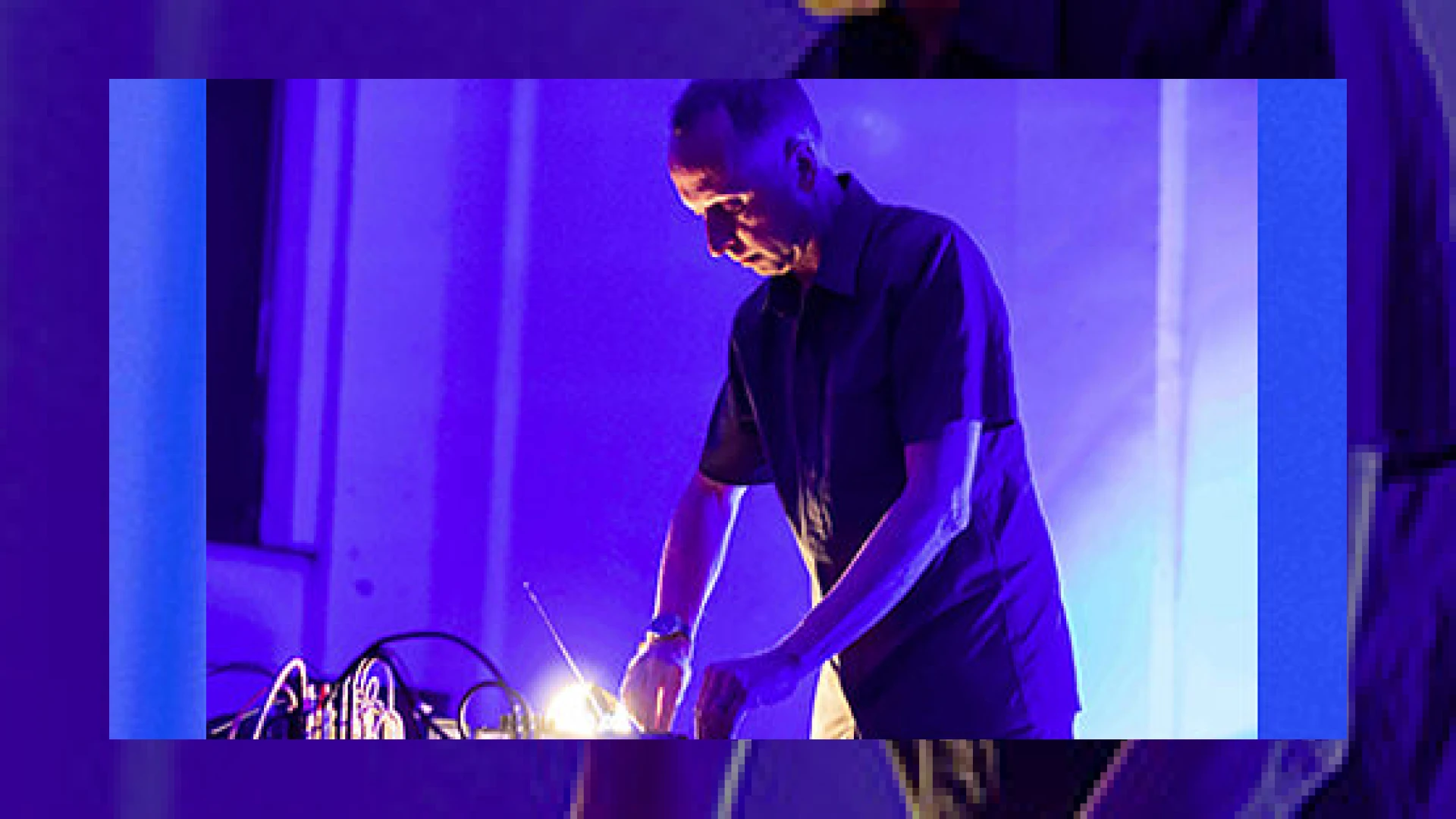
Visual context for Scanner Sunday – Live Stream concert.
The intersection of live musical improvisation and high-fidelity broadcast engineering represents one of the most challenging frontiers for modern audio professionals. When legendary ambient pioneer Robin Rimbaud, known globally as Scanner, announced his upcoming live improvised set, audio engineers and synthesists alike immediately began analyzing the technical logistics required to pull off such an ambitious project. Capturing the raw dynamics of modular hardware and digital processors in real time, while delivering a polished stereo image to audiences at home, requires a deep understanding of gain staging, live limiting, and real-time mastering principles.
Technical Setup of the Scanner Sunday – Live Stream Concert
For electronic music enthusiasts, attending the scanner sunday – live stream concert is more than just an entertainment experience—it is a masterclass in spontaneous composition. To translate complex, evolving modular patches into a cohesive stereo feed, the routing path must be meticulously planned. Unlike studio mastering, where we at SM Mastering have the luxury of offline processing, a live broadcast demands zero-latency corrective tools. Managing the vast dynamic range of raw oscillators, filter sweeps, and unpredictable feedback loops requires inline analog saturation or high-headroom digital precision. This is where high-end processing software from industry-leading companies like iZotope plays a vital role, allowing engineers to monitor and control inter-sample peaks before they reach the encoder stream.
Mastering & Audio Routing for Live Broadcasts
Planning a scanner sunday – live stream concert setup requires a clever balance of hardware and software. The primary challenge of live-streaming audio is the downstream encoding algorithm used by platforms like Bandcamp or YouTube. These platforms compress audio files into lossy formats, which can introduce harshness in the high frequencies and muddy the low-end transients. To counteract this, a mastering-grade final limiter must be placed on the main stereo output bus. We highly recommend utilizing mid-side EQ techniques to keep the low frequencies centered while spreading the ambient reverbs wide. For more detailed guides on setting up your stereo bus for live distribution, explore our extensive library at SM Mastering Audio Articles.
Recommended Equipment Chain for Ambient Live Streams
Replicating the professional sonic weight of the scanner sunday – live stream concert in your own studio requires a reliable hybrid setup. Below is a breakdown of the essential tools required to maintain maximum audio fidelity during a live broadcast:
| Name | Use | Price | Rating |
|---|---|---|---|
| Universal Audio Apollo x8 | Low-latency tracking & DSP processing | $2,799 | 4.9/5 |
| iZotope Ozone Custom Limiter | Real-time brickwall limiting & LUFS monitoring | $199 (Standard) | 4.7/5 |
| Blackmagic ATEM Mini Pro | Multi-camera switching & HDMI audio embedding | $295 | 4.6/5 |
| Bandcamp Live Account | Hosting, ticketing, and audience streaming | Free (Revenue Share) | 4.5/5 |
Practical Studio Workflow Tips for Live Stream Artists
- Manage Your Headroom: Never push your master fader into the red. Keep your live output mix peaking at around -2 dBFS to give the platform’s audio encoder enough breathing room to avoid distortion.
- Utilize Multiband Compression: Ambient music often features sudden sub-bass swells. Use a multiband compressor to tame low frequencies (below 90Hz) without affecting the clarity of your mid-range pads and high-frequency synth leads.
- Set Up Real-time LUFS Monitoring: Target an integrated loudness of -14 to -12 LUFS. This ensures your stream remains competitive in volume without sacrificing the natural micro-dynamics of your performance.
- Implement an Analog-Style Saturation Stage: Placing a subtle tape saturation plugin on your master bus can gently round off harsh digital peaks, adding warmth that translates beautifully over consumer playback systems.
Conclusion
The highly anticipated scanner sunday – live stream concert demonstrates how modern streaming technology allows electronic musicians to bypass traditional venues and connect directly with a global audience from their creative sanctuaries. By implementing proper gain staging, utilizing mastering-grade limiters, and monitoring real-time loudness, independent artists can deliver studio-quality sound directly to their fans’ headphones. As live-streamed modular and ambient sets continue to rise in popularity, mastering the technical broadcast chain remains the ultimate differentiator between amateur streams and professional acoustic experiences.
Frequently Asked Questions
What is the best audio format for streaming a live concert?
While lossless formats like WAV are preferred in the studio, most live stream platforms transcode audio to AAC or MP3 at 320kbps. To ensure the best quality, feed your streaming software (such as OBS) a high-resolution 24-bit/48kHz PCM signal from your audio interface.
How does Robin Rimbaud (Scanner) handle live improvisation?
Scanner relies on a hybrid setup combining modular synthesizers, samplers, and custom software. The performance is completely unscripted, meaning real-time dynamic control is essential to prevent sudden volume spikes from overloading the broadcast stream.
How can I watch the Scanner Sunday live stream concert?
The event is hosted directly on Bandcamp. To access the stream, viewers need a free Bandcamp fan account and a ticket, which helps support the artist directly. A replay is typically made available to ticket holders for 24 hours following the broadcast.
Written by SM Mastering
Official content on sound engineering, mixing, mastering, and advanced electronic production by SM Mastering.