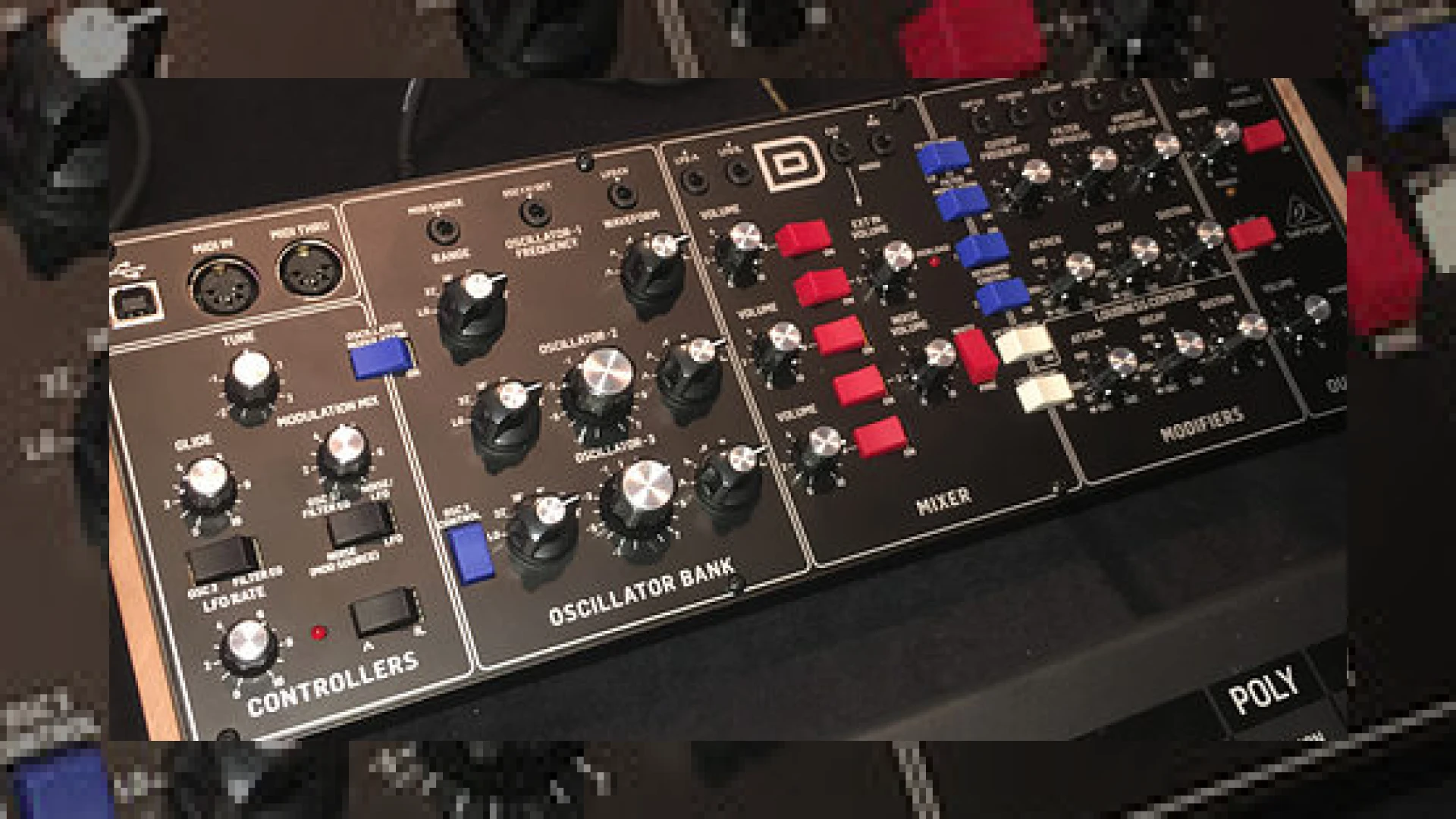
Visual context for Superbooth: Behringer Model D is real.
The global synthesizer community has been buzzing with anticipation and skepticism over the past several months, but the wait is officially over. Following intense industry rumors surrounding a potential clones-and-recreations initiative, we can confidently confirm that the highly anticipated analog desktop synth is no longer a mere prototype. The announcement from superbooth: behringer model d is real, fully functional, and poised to disrupt the electronic music production landscape.
Superbooth: Behringer Model D is real and Ready for the Studio
For purists and modern hybrid producers alike, the revelation that the superbooth: behringer model d is real brings a legendary architecture within reach of any bedroom studio. Boasting a three-oscillator design modeled carefully after the legendary vintage Minimoog Model D, this desktop synthesizer strips away the massive wooden keyboard cabinet in favor of a sleek, space-saving Eurorack-compatible desktop format. Crucially, the unit features both USB MIDI and traditional 5-pin DIN MIDI Input and Thru, allowing it to seamlessly slot into complex modern MIDI environments.
Furthermore, control voltage (CV) connectivity is highly prominent on the top panel, which is a major selling point for Eurorack enthusiasts. Having analyzed the initial build quality and sonic footprint at the show, our engineering team at SM Mastering is highly impressed by the raw power of its voltage-controlled filter (VCF) and the classic warmth of its analog signal path. To get the absolute best out of these rich analog sub-basses in your mixes, mastering with high-headroom equipment from top-tier brands like Universal Audio is highly recommended to translate those deep frequencies perfectly to consumer playback systems.
The news of this clone comes alongside other major product rollouts. Behringer has also unveiled a three-octave, 6-voice version of their Deepmind 12, fittingly named the Deepmind 6. This smaller sibling retains the architecture of the 12-voice flagship but reduces physical footprint and voice count, offering a highly portable $699 option. For desktop-focused producers, a desktop version of the Deepmind 12 is also launching at $899. However, the true showstopper remains the compact monophonic desktop unit. Knowing that superbooth: behringer model d is real means affordable, authentic analog synthesis is officially accessible to a wider audience than ever before.
Technical Specifications and Comparison
To help you decide how to allocate your studio budget, here is a quick breakdown of the newly announced hardware options and how they stack up in terms of utility and price point:
| Name | Use | Price | Rating |
|---|---|---|---|
| Behringer Model D | Monophonic Analog Desktop Synthesizer | $399 | 4.8 / 5 |
| DeepMind 6 | 6-Voice Polysynth Keyboard | $699 | 4.5 / 5 |
| DeepMind 12 Desktop | 12-Voice Analog Desktop Polysynth | $899 | 4.6 / 5 |
Practical Studio Workflow Tips for Analog Synthesizers
Integrating a desktop analog synth into your existing DAW workflow requires a careful blend of digital precision and analog patience. Now that superbooth: behringer model d is real and landing on desks worldwide, here are some pro tips from our mastering engineers to help you capture its legendary tone:
- Let the Oscillators Warm Up: Analog circuits are highly sensitive to temperature fluctuations. Turn on your synthesizer at least 15 to 20 minutes before recording or calibrating your tracks to ensure stable pitch tracking across octaves.
- Utilize the Multi-Trigger Utility: Experiment with the envelope behaviors. True to the original vintage design, the synthesizer can switch between single and multi-trigger modes, changing how legato notes interact with the filter envelope.
- Gain Staging is Critical: The output of this analog clone can get incredibly hot, especially when driving the filter feedback loop. Keep your audio interface input levels conservative to prevent unwanted digital clipping while retaining the natural saturation of the hardware.
By implementing these structured techniques, you can ensure your synth tracks maintain incredible dynamic range. For more workflow optimization guides, reference our comprehensive library of tutorials over at SM Mastering Audio Articles.
Conclusion
Ultimately, the industry landscape has shifted dramatically. The realization that superbooth: behringer model d is real signals a democratization of legendary synthesis designs. While some purists will always favor original vintage units, the accessibility, reliability, and astonishingly low $399 price point of this desktop unit make it an essential addition to any electronic music producer’s hardware toolkit.
Frequently Asked Questions
Is the Behringer Model D fully analog?
Yes, the Behringer Model D utilizes a fully analog signal path featuring authentic VCO, VCF, and VCA designs based closely on the original transistor ladders and configurations of the classic 1970s hardware.
Can this desktop synthesizer be integrated into a Eurorack system?
Yes, the main chassis can be removed from its desktop casing and mounted directly into a standard Eurorack modular synth case, where it can draw power from your Eurorack power supply and interface via CV and gate patches.
What are the differences between the Deepmind 12 and the new Deepmind 6?
The Deepmind 6 features 6 voices instead of 12, a shorter three-octave keyboard, slightly smaller control sliders to maintain a compact front panel, and does not include the built-in Wi-Fi module found in the Deepmind 12.
🛒 Official Product Info & Where to Buy
Check full technical specs, pricing, and purchase options directly from the official manufacturer or authorized dealer for Superbooth: Behringer Model D is real.

Written by SM Mastering
Official content on sound engineering, mixing, mastering, and advanced electronic production by SM Mastering.