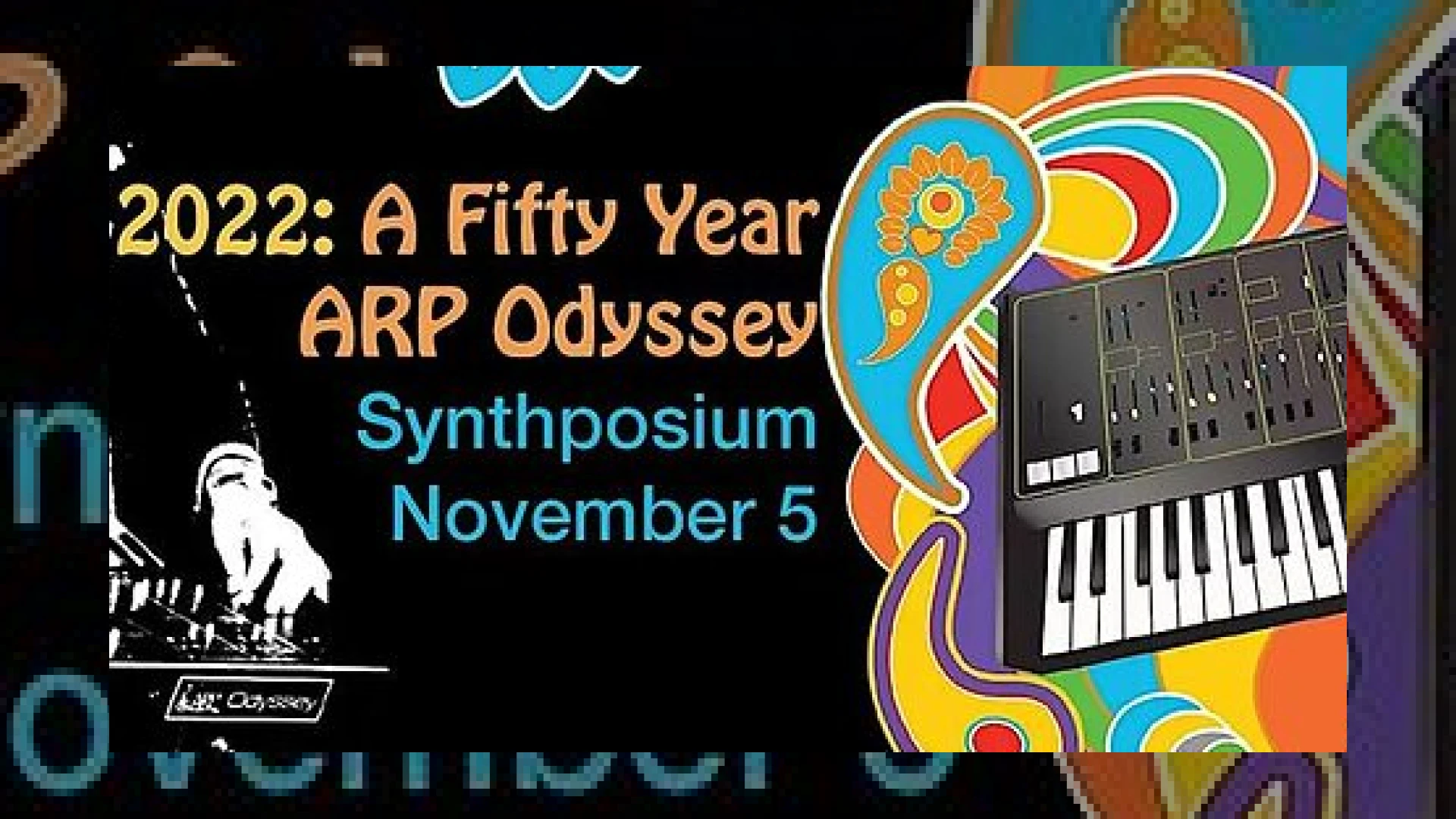
Visual context for Synthposium – 50 Years of the ARP Odyssey.
As mixing and mastering engineers at SM Mastering Audio Articles, we frequently encounter tracks shaped by legendary analog hardware. Few instruments hold as iconic a status in electronic music production as the legendary duophonic synthesizer created by Alan Pearlman. Commemorating this milestone, events like synthposium – 50 Years of the ARP Odyssey highlight the enduring legacy of a machine that defined the sonic landscape of the 1970s and beyond, continuing to inspire modern analog workflows and high-end plug-in emulations like those crafted by Universal Audio.
Celebrating History at synthposium – 50 Years of the ARP Odyssey
The milestone celebration known globally as synthposium – 50 Years of the ARP Odyssey brought together legendary artists, sound designers, and historians to honor half a century of raw, aggressive filtering and distinct synthesizer architecture. Hosted physically at the Berklee College of Music alongside a global live stream, the gathering emphasized how this historic instrument bridges generations of electronic music production. Analyzing the cultural and technical impact during synthposium – 50 Years of the ARP Odyssey reinforces why hardware preservation and software emulations remain crucial for contemporary mix sessions.
Key Hardware & Emulation Specifications
| Name | Use | Price | Rating |
|---|---|---|---|
| ARP Odyssey (Original Hardware) | Monophonic/Duophonic Lead & Bass Synthesis | Variable (Vintage Market) | 5/5 |
| KARP Odyssey (Module/Keyboard) | Modern Reissue with Multi-Filter Design | ~$799 (MSRP) | 4.8/5 |
Practical Studio Workflow Tips for Analog Synths
Integrating vintage or modern analog leads into your mix requires careful gain staging and EQ management. When tracking a hardware synth inspired by the discussions at synthposium – 50 Years of the ARP Odyssey, ensure your interface preamps aren’t clipping the transients. Furthermore, because these synthesizers feature aggressive 12dB and 24dB ladder filters, carving out a dedicated frequency pocket in the lower-mids will allow the raw oscillator bite to cut through dense arrangements without cluttering the master bus.
Another essential technique is utilizing parallel saturation. Feeding your synth tracks into harmonic distortion processors can emulate the pushed VCAs of vintage analog mixing consoles. To deepen your understanding of professional audio processing techniques, explore further insights on the SM Mastering Audio Articles platform.
Conclusion
The historical significance celebrated during synthposium – 50 Years of the ARP Odyssey proves that timeless sound design tools never truly go out of style. Whether you are working with original vintage circuits, hardware reissues, or modern digital plugins, understanding the roots of synthesis empowers engineers to make more informed decisions in the studio.
Frequently Asked Questions
What made the ARP Odyssey unique in the 1970s?
The ARP Odyssey offered a duophonic architecture, allowing two notes to be played simultaneously, alongside a fiercely distinctive filter design and stable oscillators that competed directly with the Minimoog.
How can I integrate analog synths into a modern DAW workflow?
You can record them directly via audio interfaces while utilizing MIDI for note sequencing, or utilize external instrument plugins that map MIDI data natively to hardware synths.
Where do the proceeds from events like this go?
Proceeds typically benefit preservation initiatives like the Alan R. Pearlman Foundation and programs dedicated to making synthesizer education accessible to everyone.
Written by SM Mastering
Official content on sound engineering, mixing, mastering, and advanced electronic production by SM Mastering.