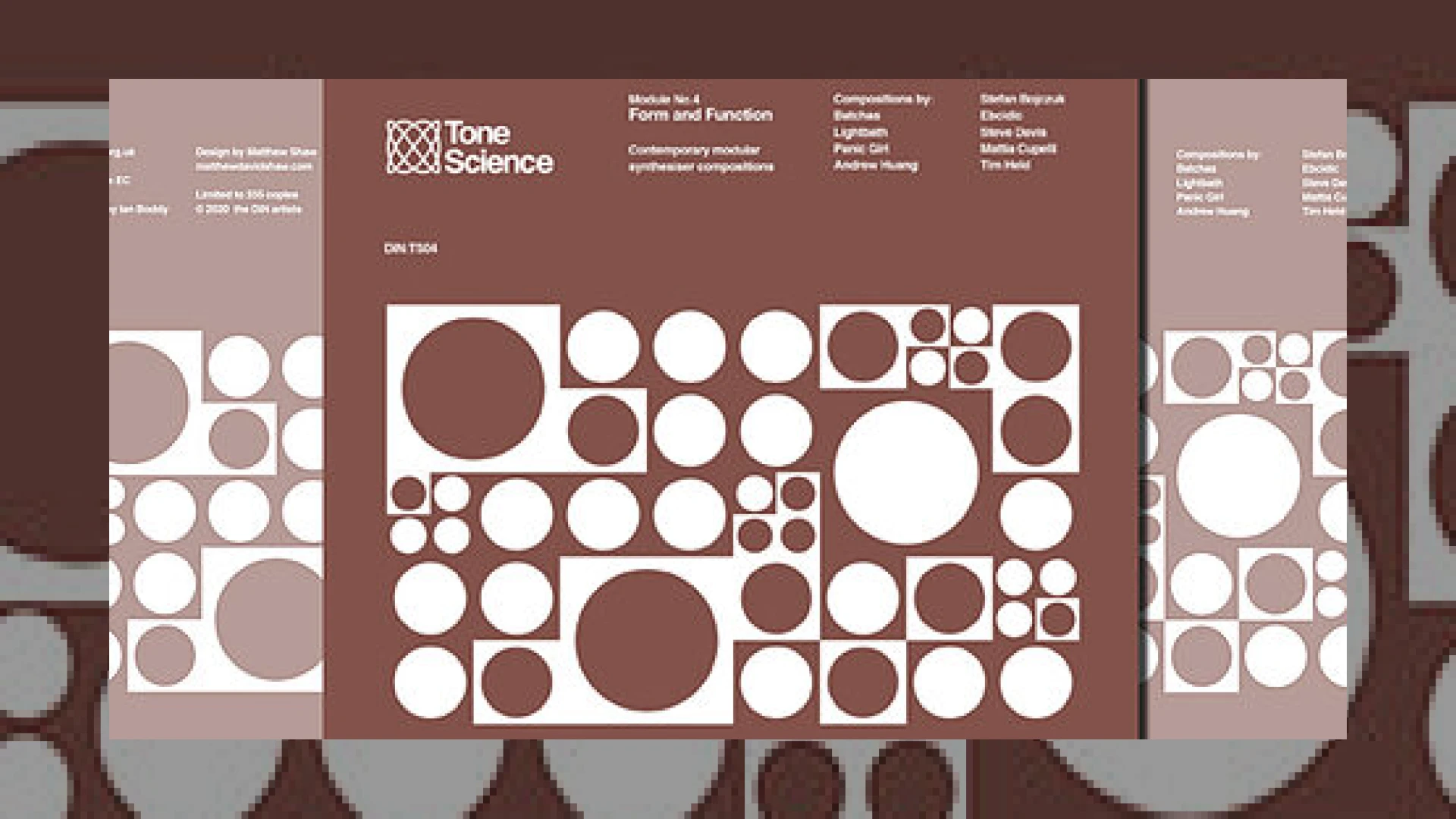
Visual context for Tone Science new release.
With the arrival of the highly anticipated tone science new release, modular synth enthusiasts and mastering engineers alike are presented with an extraordinary masterclass in electronic sound design. Released via the esteemed DiN records sub-label, Tone Science Module No.4 Form and Function continues to push the envelope of experimental voltage-control music. Curated by DiN label boss Ian Boddy, this compilation brings together nine distinct artists, offering a cohesive sonic journey that transitions from serene, ambient soundscapes to dense, aggressive modular onslaughts. For anyone seeking to expand their acoustic horizons, studying this collection is highly recommended.
Our team at SM Mastering has spent considerable time dissecting the tone science new release to understand its intricate spectral balance and dynamic range. From a technical engineering perspective, mastering modular synth music presents unique hurdles due to the raw, unpredictable nature of analog oscillators and filters. Unlike traditional digital instruments, modular systems often produce extreme low frequencies and sudden transient spikes. Balancing these elements requires advanced audio analysis software and dynamic processors, such as those developed by iZotope, to preserve the organic warmth while ensuring the material translates perfectly across diverse playback systems.
Analyzing the Sonic Architecture of the Tone Science New Release
The album’s track sequencing showcases a masterful sense of narrative pacing. It opens with Batchas utilizing a vintage Paperface Serge system, creating beautifully abstract forms that establish a sense of space. It then transitions into the gentle, shimmering sequencer patterns of Lightbath and Panic Girl, bringing a calm, organic flow to the mid-section. To master such diverse styles, an engineer must maintain a consistent tonal balance without stripping away the raw identity of each individual modular system. For deep-dive technical guides on mastering electronic music, you can explore our resources on SM Mastering Audio Articles.
This careful programming demonstrates how the tone science new release functions not just as a collection of isolated tracks, but as a singular, unified audio experience. As the album progresses, artists like Andrew Huang and Stefan Bojczuk introduce deeper, moodier textures, leading up to the intense, gnarly basslines of Mattia Cupelli. Each shift in mood demands a shift in mastering approach—ranging from subtle harmonic excitation to aggressive peak limiting to keep the dense mid-range frequencies clean and punchy.
Specifications & Album Details
Below is a technical overview of the release and how it serves as an invaluable reference tool for modern studio environments:
| Name | Use | Price | Rating |
|---|---|---|---|
| Tone Science Module No.4 Form and Function | Reference material for modular synthesis, sound design, and acoustic translation testing. | £7.00 (Digital Download) / £10.00 (CD) | 5 / 5 Stars |
Practical Studio Workflow Tips for Modular Mastering
When working on projects with a sonic profile similar to the tone science new release, mastering engineers must adapt their digital and analog chains to handle unpredictable waveforms. Here are three crucial studio workflow tips:
- Control Sub-Bass Transients: Modular oscillators can generate massive subsonic frequencies that deplete dynamic headroom. Use a high-pass filter with a gentle slope (e.g., 12dB/octave around 20-25Hz) to clean up unnecessary rumble without introducing unwanted phase smearing.
- Dynamic EQ vs. Multiband Compression: To tame harsh resonant peaks—common in modular filter sweeps—prefer dynamic EQ over standard multiband compression. Dynamic EQ only acts when a specific frequency exceeds the threshold, preserving the natural timbre.
- Stereo Image Management: Ensure that low frequencies below 100Hz are strictly mono. Many modular modules create wide, out-of-phase stereo signals which can cause severe phase cancellation issues during vinyl cutting or on club playbacks.
Conclusion
In conclusion, the tone science new release is not only a fantastic listening experience but also a highly educational reference for electronic music producers and audio engineers. By bridging the gap between raw, chaotic voltage generation and structured musical form, DiN records has delivered another vital compilation that will inspire sound designers for years to come.
Frequently Asked Questions
What instruments were used on the new Tone Science release?
The album features a wide range of modular systems, ranging from vintage Paperface Serge synthesizers to modern Eurorack setups. Artists utilize custom hardware patches, complex sequencing modules, and hardware analog filters to craft unique sonic landscapes.
Is this Tone Science release available on physical formats?
Yes, Tone Science Module No.4 Form and Function is available as a limited-edition CD in a digipak cover, as well as a high-quality digital download through the official DiN records Bandcamp page.
Why is modular synth music challenging to master?
Modular synthesis often lacks the dynamic limiting and predefined frequency envelopes found in standard software plugins. This leads to wild transient peaks, dense mid-range buildups, and immense sub-bass energy, requiring careful dynamic control and dynamic equalization during the mastering phase.
🛒 Official Product Info & Where to Buy
Check full technical specs, pricing, and purchase options directly from the official manufacturer or authorized dealer for Tone Science new release.

Written by SM Mastering
Official content on sound engineering, mixing, mastering, and advanced electronic production by SM Mastering.